Charlie Falconer, Baron Falconer of Thoroton: Powerful Legal Reformer and Influential Voice in British Politics — A Journey of Authority and Controversy

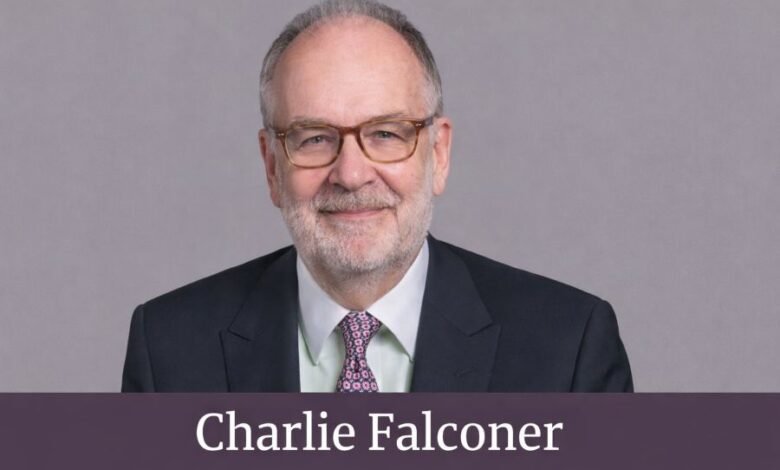
Table of Contents
ToggleIntroduction
Charlie Falconer, Baron Falconer of Thoroton, stands as one of the most influential legal and political figures in modern British history. Known for his sharp legal mind and close association with Tony Blair, he played a central role in shaping the UK’s justice system during a transformative period. His career reflects both significant achievements and moments of debate, making him a compelling figure in public life.
As a Member of the House of Lords of the United Kingdom, Falconer has remained a powerful voice in legal reform and constitutional matters. His journey from a successful barrister to one of the most senior figures in government highlights a career defined by ambition, expertise, and long-lasting impact.
Quick Bio
| Field | Details |
|---|---|
| Full Name | Charles Leslie Falconer |
| Title | Baron Falconer of Thoroton |
| Date of Birth | 19 November 1951 |
| Age | 74 (as of 2026) |
| Birthplace | Edinburgh, Scotland |
| Nationality | British |
| Profession | Politician, Barrister |
| Political Party | Labour Party |
| Education | Queens’ College, Cambridge |
| Known For | Lord Chancellor (2003–2007) |
Early Life and Background
Charlie Falconer was born in Edinburgh, Scotland, into a family with strong legal and civic roots. His father worked as a solicitor, while his grandfather held the prestigious position of Lord Provost of Edinburgh. This environment exposed him early to law, governance, and public responsibility, shaping his intellectual and professional ambitions.
During his early years, Falconer demonstrated a strong interest in academics and leadership. His upbringing was disciplined yet supportive, encouraging him to pursue excellence. These formative experiences laid the groundwork for a future career that would blend law with national leadership.
Education and Academic Journey
Falconer received his education at Edinburgh Academy and Trinity College, Glenalmond, institutions known for academic rigor. He later attended Queens’ College, Cambridge, where he studied law. It was here that he developed not only his legal expertise but also important lifelong connections.
One of the most significant relationships he formed during his university years was with Tony Blair. Their friendship would later play a crucial role in Falconer’s entry into politics. His time at Cambridge refined his analytical thinking and prepared him for a demanding legal career.
Start of Legal Career
After completing his education, Falconer began his professional journey as a barrister in London. He quickly established himself in commercial law, gaining respect for his precision and strong courtroom presence. His work at Fountain Court Chambers allowed him to build a reputation among peers and clients alike.
In 1991, he was appointed Queen’s Counsel, a recognition of his excellence in the legal field. This milestone marked his transition into the upper tier of the legal profession and solidified his standing as a leading barrister in the United Kingdom.
Entry into Politics
Falconer’s move into politics came in 1997, when Tony Blair became Prime Minister. Recognizing his legal expertise and trustworthiness, Blair appointed him as Solicitor General. At the same time, Falconer was made a life peer, entering the House of Lords.
Unlike many politicians, Falconer did not begin his career in the House of Commons. Instead, his influence grew within the House of Lords, where his legal background made him particularly effective in shaping legislation and policy.
Rise to Prominence in Government
Falconer quickly rose through the ranks of government, holding several key ministerial roles. These included positions in the Cabinet Office, housing and planning, and criminal justice. Each role added to his experience and strengthened his reputation as a capable and reliable leader.
His ability to manage complex legal and administrative challenges made him a central figure in the Labour government. He became known for his calm approach and strategic thinking, qualities that would later define his tenure in higher office.
Lord Chancellor and Legal Reforms
In 2003, Falconer was appointed Lord Chancellor, one of the most senior legal positions in the United Kingdom. This role placed him at the heart of major constitutional changes. His tenure was marked by efforts to modernize the legal system and improve judicial independence.
One of his most notable contributions was his involvement in reforms that reshaped the structure of the UK’s judiciary. While these changes were widely seen as necessary modernization, they also sparked debate and criticism, highlighting the complex nature of reform.
Secretary of State for Justice
In 2007, Falconer became the first Secretary of State for Justice, a newly created position that combined oversight of courts, prisons, and legal policy. This role demonstrated the trust placed in him and his importance within the government.
Although his time in this role was brief, it marked a significant moment in UK governance. He helped establish the framework for the position, ensuring that it would remain a key part of the justice system in the years to come.
Role in the House of Lords
After leaving front-line government roles, Falconer continued his work as a Member of the House of Lords of the United Kingdom. In this capacity, he has remained active in debates on law, ethics, and constitutional matters.
His contributions in the House of Lords reflect his deep understanding of legal principles and public policy. He continues to influence discussions on important issues, maintaining his relevance in British politics.
Personal Life and Family
Charlie Falconer married Marianna Hilyard in 1985, and the couple has four children. His family life has remained relatively private, though it is known that his son, Hamish Falconer, has also entered politics.
Despite his high-profile career, Falconer has managed to balance his professional responsibilities with his personal life. This balance has contributed to his long-standing stability and focus throughout his career.
Professional Work Beyond Politics
In addition to his political career, Falconer has remained active in the legal profession. He has worked with international law firms, providing expertise in complex legal matters. This dual role has allowed him to maintain both practical and theoretical knowledge of the law.
His involvement in advisory and leadership roles demonstrates his continued influence beyond government. He remains a respected figure in both legal and political circles.
Legacy and Influence
Charlie Falconer’s legacy is deeply tied to the modernization of the UK’s legal system. His work as Lord Chancellor and Justice Secretary helped reshape key institutions, leaving a lasting impact on governance.
At the same time, his career has not been without criticism. Some reforms he supported were controversial, reflecting the challenges of implementing change at a national level. Nevertheless, his influence remains undeniable, and his contributions continue to shape British law and politics.
Conclusion
Charlie Falconer, Baron Falconer of Thoroton, represents a unique blend of legal expertise and political leadership. His journey from barrister to one of the most powerful figures in the UK justice system highlights both his strengths and the complexities of his career.
As a Member of the House of Lords of the United Kingdom, he continues to play an important role in shaping debates and policies. His legacy, marked by both achievement and controversy, ensures that his name remains significant in the history of British governance.
FAQ
1. Who is Charlie Falconer, Baron Falconer of Thoroton?
He is a British politician and barrister who served as Lord Chancellor and is a Member of the House of Lords.
2. What is he best known for?
He is best known for leading major legal and constitutional reforms in the UK.
3. When was he born?
He was born on 19 November 1951 in Edinburgh, Scotland.
4. What role did he play in government?
He served as Lord Chancellor and later as the first Secretary of State for Justice.
5. Is he still active in politics?
Yes, he remains active in the House of Lords and continues to contribute to public debate.