Gordon Burns – The Iconic Voice of British News | A Powerful Journey of a Retired Journalist and Host
A remarkable career filled with credibility, calm authority, and lasting impact on British broadcasting

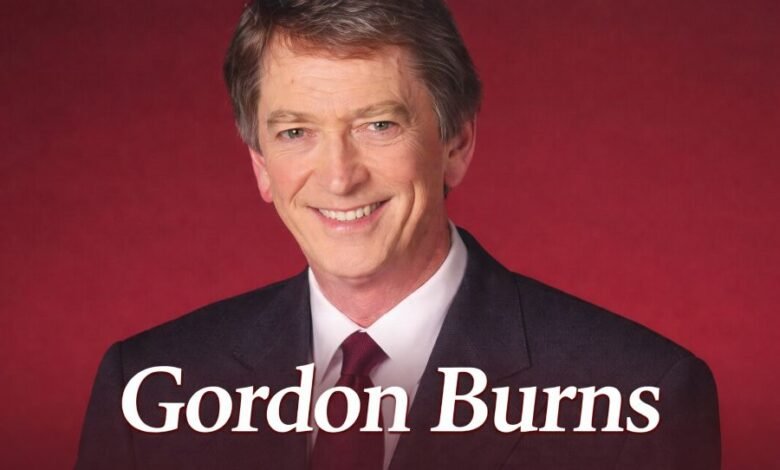
Table of Contents
ToggleIntroduction
Gordon Burns is a name that resonates strongly in British television history. Known as a retired journalist and host, he built a reputation based on trust, professionalism, and consistency. His presence on screen was calm yet commanding, making him one of the most respected figures in regional news and entertainment.
Over decades, he shaped public understanding of current affairs while also entertaining audiences through quiz shows. His journey reflects both the positive influence of responsible journalism and the demanding challenges that come with a long career in media. This balance of strength and pressure defines his legacy.
Quick Bio
| Field | Details |
|---|---|
| Full Name | Gordon Henry Burns |
| Date of Birth | 10 June 1942 |
| Age (2026) | 83 years |
| Birthplace | Belfast, Northern Ireland |
| Nationality | British / Northern Irish |
| Profession | Retired journalist and host |
| Famous For | The Krypton Factor, BBC regional news |
| Spouse | Sheelagh Burns |
| Children | 2 (daughter and stepson) |
| Education | Dulwich College, Campbell College |
| Active Years | 1960s – 2013 |
Early Life and Background
Gordon Burns was born in Belfast, a place that deeply influenced his identity and communication style. Growing up between Northern Ireland and England, he experienced different cultures at an early age. This exposure helped him develop a broader perspective, which later became visible in his journalism.
His early years were shaped by movement and adaptation, as his family relocated to Kent during his childhood. This dual upbringing gave him both a Northern Irish grounding and an English educational experience, creating a unique blend in his personality and speech.
Education and Personal Development
Burns attended respected institutions such as Dulwich College in London and Campbell College in Belfast. These schools played an important role in shaping his discipline, communication skills, and interest in public affairs. His education helped him develop the confidence needed for a career in broadcasting.
Although he did not initially step into fame, his academic background gave him the tools required to succeed in journalism. His ability to speak clearly, think critically, and present information effectively became the foundation of his professional journey.
Start of Career in Journalism
Gordon Burns began his career as a reporter at the Belfast Telegraph. This early experience introduced him to the realities of journalism, including tight deadlines, factual reporting, and the importance of accuracy. It was here that he built his core skills as a storyteller.
He later moved into radio, contributing to BBC programs such as sports reporting. These roles allowed him to refine his voice and delivery style, which eventually became one of his strongest professional assets.
Rise Through Television Broadcasting
In 1967, Burns joined Ulster Television, where he worked as a sports editor and presenter. This role placed him at the center of important events during a difficult period in Northern Ireland. Reporting during such times required courage, responsibility, and emotional strength.
His ability to remain composed under pressure made him stand out. He was not just delivering news; he was guiding audiences through complex and often sensitive situations. This period built his credibility as a serious journalist.
National Fame and The Krypton Factor
The turning point in his career came when he joined Granada Television in England. His work on current affairs programs demonstrated his versatility and professionalism. However, his biggest breakthrough came when he became the host of The Krypton Factor.
As a retired journalist and host, Burns brought intelligence and clarity to the show. His hosting style was firm yet approachable, making the program both entertaining and respected. For many viewers, he became the face of the show, creating a lasting connection with audiences.
BBC Career and Peak Success
Gordon Burns later became the main presenter of BBC’s North West Tonight. This role defined the later stage of his career and cemented his position as a trusted news figure. Viewers relied on him for accurate and balanced reporting.
His work during this period earned recognition and awards, reflecting his dedication to quality journalism. He maintained a consistent standard, proving that reliability is one of the most valuable qualities in broadcasting.
Personal Life and Family
Gordon Burns is married to Sheelagh Burns, and together they have a family that includes a daughter and a stepson. Despite his public career, he maintained a relatively private personal life, focusing on stability and balance.
He also shares a notable family connection with Ed Sheeran, being his second cousin. This link connects him to another well-known figure in the entertainment world, although their careers are very different.
Later Career and Retirement
After many years in television, Burns transitioned into radio, working with BBC Radio Manchester and BBC Radio Lancashire. This phase allowed him to continue engaging with audiences in a different format.
He eventually retired in 2013, bringing an end to a long and successful career. His retirement marked the conclusion of an era, as one of the most familiar faces in regional news stepped away from the screen.
Challenges and Strengths
Like any long career, Gordon Burns faced challenges. Reporting during difficult political periods and maintaining public trust over decades required resilience. The pressure of being constantly visible and accurate could not have been easy.
However, his strengths outweighed these challenges. His calm voice, clear delivery, and ethical approach made him a role model in journalism. He showed that credibility is built over time through consistency and honesty.
Legacy and Influence
Gordon Burns is remembered as one of the most respected broadcasters in the United Kingdom. His work influenced how regional news is presented and how audiences connect with presenters.
His legacy is not just about fame but about trust. He proved that a journalist can be both authoritative and relatable, setting a standard for future generations in media.
Conclusion
Gordon Burns represents a powerful example of dedication, professionalism, and long-term impact in journalism. As a retired journalist and host, he balanced serious reporting with engaging television, creating a career that remains inspiring.
His journey highlights both the rewards and challenges of media work. While the profession demands consistency and responsibility, it also offers the chance to influence and inform millions. Gordon Burns achieved both, leaving behind a legacy that continues to be admired.
Frequently Asked Questions (FAQs)
1. Who is Gordon Burns?
Gordon Burns is a retired British journalist and television presenter known for news broadcasting and hosting.
2. When was Gordon Burns born?
He was born on 10 June 1942 in Belfast, Northern Ireland.
3. What is Gordon Burns famous for?
He is best known for hosting The Krypton Factor and presenting BBC regional news.
4. What was his profession?
He worked as a journalist, broadcaster, and television host.
5. Is Gordon Burns still active?
No, he retired from broadcasting in 2013.
6. Who is Gordon Burns related to?
He is the second cousin of singer Ed Sheeran.
7. Where did Gordon Burns work?
He worked with Ulster Television, Granada Television, and the BBC.
8. What made him popular?
His calm presentation style and credibility made him widely trusted.
9. Did he work in radio?
Yes, he worked with BBC Radio Manchester and BBC Radio Lancashire.
10. What is his legacy?
He is remembered as a trusted and influential figure in British broadcasting.
11. What type of presenter was he?
He was known for being professional, clear, and highly reliable.