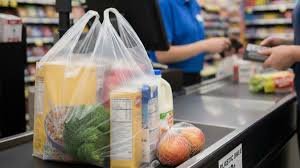
You take some groceries, go to the counter, and then your bill turns out bigger than you thought. Not due to inflation, but something smaller and less noticeable: the bag. By January 1, 2026, the California SB 1053 will have practically killed all plastic grocery bags, even the thicker so-called reusable ones, which previously passed through the regulations.
To most of the shoppers, it is an unspoken, daily tax. Although it is technically a fee, it has become a normal feature of the checkout process- and it is getting expensive. Look for a professional (like an EDD audit attorney in Los Angeles) if you are facing any tax-related issue.
What Changed in 2026?
SB 1053 bridges a loophole in the plastic bag laws that have been in force in California. In the past, shops were allowed to provide thicker plastic bags with the label ” reusable. No longer is that an option.
Under the new law:
- Any plastic grocery bags are prohibited, no matter the thickness.
- Only recycled paper bags or certified reusable cloth bags should be sold in the stores.
- There is a minimum fee of 10 cents per bag.
- In some cities, it can be more expensive (as much as 25 cents in some locations).
The mission is straightforward: diminish plastic waste. But the effect is instant at the register.
Why Your Grocery Bill is Increasing?
Let’s put it into perspective. Suppose you carry 4-5 bags in a trip, then that will be 40-50 cents extra. Months and weeks later, it can be observed.
That is why most shoppers are referring to it as the 10-cent tax, although it is not a tax.
Important distinction:
- The retailer, not the state, keeps the bag fee
- It does not attract the sales tax, as is a popular fallacy.
But, as a consumer, it is an additional expense to a fundamental need.
Who Is Exempt?
Not all people are required to pay the bag fee. California has established provisions to safeguard some groups:
- Users of EBT (Electronic Benefit Transfer)
- WIC (Women, Infants, and Children) program beneficiaries
Increasing Expenses behind the Scenes
Another driver of the costs upwards, one that is less visible, exists.
This means:
- Increased costs of manufacturing paper bags.
- Higher prices in retailers.
- There is a possibility of increasing bag fees in the future.
Therefore, the 10-cent minimum might not remain constant. Better to have an experienced professional (like a tax lawyer in Los Angeles) for guidance.
Intelligent Ways to evade the additional expense
The simplest method to cope with the new rule? Modify your ways a little.
- Bring your own reusable bags
- A one-time buy can eradicate recurrent charges.
- Carry bags in your backpack or in the car.
- Convenience minimizes the possibility of forgetting.
- Reuse old bags at home
- Watch your receipts
SB 1053 is one of the wider trends towards sustainability. California is making its environmental standards stricter, and consumers are making the same shift- one dime at a time.
The “10-cent tax” may be small, but it’s constant. Plastic bags are no more, so no matter whether you went to the market or not, you always have a built-in fee in every grocery trip.
The good news? This is among the few costs that you can absolutely do away with- with some foresight.