Jennie Lee – A Fearless Visionary Who Transformed Education and Arts Forever | Inspiring Rise with Bold Reforms and Lasting Impact
A Trailblazing Former Member of Parliament Who Revolutionized Education and Empowered the Arts for All

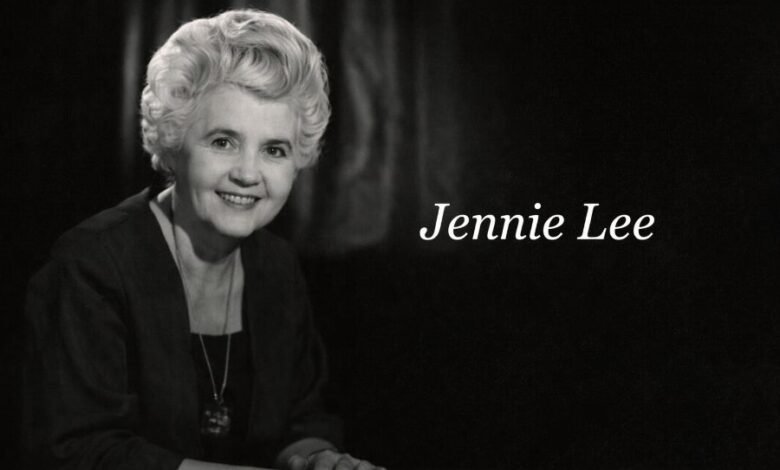
Table of Contents
ToggleIntroduction
Jennie Lee stands as one of the most influential political figures in modern British history. Known as a Former Member of Parliament of the United Kingdom, she dedicated her life to social equality, education, and cultural development. Her journey from a small mining town in Scotland to the heart of British politics reflects both struggle and success.
Her life story is a powerful mix of determination and resistance. While she faced political setbacks and personal loss, she also achieved groundbreaking reforms that reshaped public access to education and the arts. Jennie Lee’s legacy remains a symbol of vision, courage, and public service.
Quick Bio
| Field | Details |
|---|---|
| Full Name | Janet Lee |
| Known As | Jennie Lee |
| Date of Birth | 3 November 1904 |
| Birthplace | Lochgelly, Fife, Scotland |
| Nationality | British |
| Profession | Politician, Journalist |
| Political Role | Former Member of Parliament of the United Kingdom |
| Spouse | Aneurin Bevan |
| Children | None |
| Education | University of Edinburgh |
| Major Achievement | Founder of the Open University |
| Death | 16 November 1988 |
Early Life and Background
Jennie Lee was born into a working-class family in Lochgelly, a coal mining town in Scotland. Her father and grandfather were deeply involved in trade unions, which shaped her early understanding of social justice and workers’ rights. Growing up in such an environment helped her develop strong political awareness from a young age.
Despite financial challenges, she showed exceptional academic ability. She earned scholarships that allowed her to continue her education, eventually attending the University of Edinburgh. This achievement was significant, especially for a woman from a mining background in the early 20th century.
Education and Intellectual Growth
Jennie Lee’s time at the University of Edinburgh played a major role in shaping her political and intellectual thinking. She studied arts and law, gaining a strong foundation in public policy and social issues. Her university years also exposed her to debates on equality and reform.
Her education was not just academic but deeply practical. She developed strong communication skills and a passion for public speaking, which later became essential tools in her political career. This combination of knowledge and confidence helped her stand out in a male-dominated political environment.
Start of Political Career
Jennie Lee entered politics at a very young age. In 1929, she was elected to Parliament, becoming one of the youngest female Members of Parliament in British history. Her victory marked the beginning of a powerful political journey.
As a Former Member of Parliament of the United Kingdom, she quickly gained attention for her bold speeches and commitment to socialist ideals. She was not afraid to challenge authority, which made her both admired and controversial during her early career.
Challenges and Setbacks
Despite her early success, Jennie Lee faced political setbacks. She lost her parliamentary seat in 1931, which was a difficult period in her life. However, instead of giving up, she continued working as a journalist and public speaker.
These years outside Parliament helped her gain broader experience and understanding of public issues. They also strengthened her determination to return to politics and continue her mission for social change.
Return to Parliament and Political Growth
Jennie Lee returned to Parliament in 1945, representing Cannock. This marked the beginning of a long and stable phase in her political career. Over the next 25 years, she became a respected and influential figure in British politics.
Her work during this period focused on improving education, supporting workers, and promoting equality. She built a reputation as a dedicated public servant who always prioritized the needs of ordinary people.
Minister for the Arts and Cultural Impact
One of Jennie Lee’s most important roles came when she became Britain’s first Minister for the Arts in 1964. This position allowed her to make a lasting impact on the country’s cultural landscape.
She increased government funding for the arts and ensured that cultural opportunities were accessible to people across the country, not just in major cities. Her policies helped support theatres, museums, and creative industries, making art a part of everyday life for many citizens.
Founding the Open University
Jennie Lee’s greatest achievement was the creation of the Open University in 1969. She strongly believed that education should be available to everyone, regardless of their background or age.
The Open University provided flexible learning opportunities for people who could not attend traditional universities. This revolutionary idea changed the education system and opened doors for millions of learners. Her vision continues to benefit students around the world today.
Personal Life and Relationships
Jennie Lee was married to Aneurin Bevan, one of the most important political figures in Britain and the founder of the National Health Service. Their marriage was built on shared values and political beliefs.
Although they had no children, their partnership was strong and influential. After Bevan’s death, Jennie Lee continued her work with even greater determination, honoring his legacy through her own contributions.
Legacy and Lasting Influence
Jennie Lee’s legacy is deeply rooted in her contributions to education and culture. As a Former Member of Parliament of the United Kingdom, she proved that strong leadership and clear vision can bring meaningful change.
Her work on the Open University and arts funding continues to impact millions of lives. She is remembered as a pioneer who challenged traditional systems and created opportunities for people from all backgrounds.
Conclusion
Jennie Lee’s life is a story of resilience, courage, and transformation. From a mining town in Scotland to becoming one of the most influential political figures in Britain, her journey was filled with both struggles and achievements.
Her contributions to education and the arts have left a permanent mark on society. Jennie Lee remains a powerful example of how dedication and vision can change the world for the better.
FAQs
1. Who was Jennie Lee?
Jennie Lee was a British politician and Former Member of Parliament of the United Kingdom known for her work in education and the arts.
2. What is Jennie Lee famous for?
She is best known for founding the Open University and expanding access to education.
3. When was Jennie Lee born?
She was born on 3 November 1904.
4. Who was Jennie Lee married to?
She was married to Aneurin Bevan, a leading British politician.
5. What role did she play in the arts?
She was Britain’s first Minister for the Arts and increased public funding for culture.
6. What is the Open University?
It is an institution that provides flexible higher education to people of all backgrounds.
7. Did Jennie Lee have children?
No, she did not have children.
8. What challenges did she face?
She lost her parliamentary seat early in her career but later returned stronger.
9. Why is she important today?
Her reforms in education and culture continue to benefit millions.
10. When did Jennie Lee die?
She passed away on 16 November 1988.