Maintaining good vision requires a proactive approach to caring for different parts of the eye. Many people experience persistent irritation, redness, or a gritty feeling, often leading them to seek an effective dry eye treatment to restore daily comfort. At the same time, maintaining the health of the back of the eye is vital for preserving long-term sight. While surface issues cause immediate discomfort, deeper retinal problems can quietly threaten your vision without obvious early warning signs. Balancing surface comfort with dedicated back-of-the-eye care ensures your eyes remain healthy, functional, and resilient. Understanding how these distinct areas of eye health interact is the first step toward comprehensive visual wellness.
Understanding the Causes of Dry Eye Syndrome
Dry eye syndrome occurs when your eyes do not produce enough tears, or when the tears evaporate too quickly. This imbalance disrupts the delicate tear film that protects the ocular surface. Several everyday factors contribute to this condition, including prolonged screen use, which significantly reduces your blink rate. Environmental triggers like air conditioning, central heating, and windy weather also accelerate tear evaporation.
Additionally, age-related changes and hormonal fluctuations, particularly in women, can alter tear production. Certain medical conditions, such as rheumatoid arthritis or thyroid disorders, frequently play a role. When the tear film becomes unstable, it leads to chronic inflammation and damage to the surface of the eye.
To address this issue, specialists must first identify the underlying cause. For instance, dysfunction in the meibomian glands, which produce the essential oily layer of tears, is a primary culprit in many cases. When these glands become blocked, the tears lack the necessary lipids to stay on the eye surface. Recognising these triggers helps individuals make lifestyle adjustments, such as using humidifiers or taking regular screen breaks, before seeking clinical interventions. Symptoms like burning, sensitivity to light, and even watery eyes—which happen as a reflex to irritation—signal that the protective barrier is compromised. Addressing these symptoms early prevents long-term scarring of the cornea.
Modern Options for Dry Eye Treatment
Managing chronic dry eyes has evolved far beyond simply applying over-the-counter lubricating drops throughout the day. While preservative-free artificial tears provide temporary relief, a targeted dry eye treatment plan addresses the root causes of tear film instability. For instance, doctors frequently prescribe anti-inflammatory eye drops to reduce corneal swelling and improve natural tear production.
For patients suffering from meibomian gland dysfunction, advanced in-office therapies offer highly effective solutions. Thermal pulsation devices apply gentle heat and pressure to the eyelids, clearing blocked glands and restoring the natural flow of essential oils. Another modern approach involves intense pulsed light therapy, which reduces inflammation around the eyelids and improves overall gland function.
In addition to clinical procedures, simple dietary modifications can support your tear quality. Consuming omega-3 fatty acids, found in oily fish or flaxseed supplements, helps improve the lipid layer of your tears from within. Punctal plugs, tiny biocompatible devices inserted into the tear ducts, can also help by blocking tear drainage, keeping the eyes moist for longer periods. Combining these tailored approaches ensures sustained relief and protects the delicate surface of your eyes from ongoing friction and damage.
The Importance of Retina Care and Retina Treatment
While the surface of the eye requires constant moisture, the back of the eye demands equal attention to prevent irreversible vision loss. The retina, a light-sensitive layer of tissue lining the back of the eye, sends visual signals to the brain. Damage to this critical structure from conditions like macular degeneration, diabetic retinopathy, or retinal tears can lead to permanent blindness if left unmanaged.
When issues arise in this area, timely retina treatment is crucial to halt the progression of disease. Modern ophthalmology offers highly sophisticated interventions to manage retinal conditions. For example, anti-VEGF micro-injections help reduce abnormal blood vessel growth and fluid leakage in the retina, preserving central vision for patients with wet macular degeneration.
Laser photocoagulation is another widely used technique that seals leaking blood vessels or repairs small tears in the retinal tissue. These precise procedures prevent fluid from accumulating under the retina, which could otherwise cause a retinal detachment. Because retinal cells cannot regenerate, early intervention remains the most effective way to safeguard your sight. Working closely with a retinal specialist ensures that any silent changes in your vision are detected and managed before they cause lasting impairment.
How Systemic Health Links Dry Eyes and Retina Conditions
The health of your eyes is deeply connected to your body’s overall systemic health. Many chronic conditions that affect your general well-being can simultaneously impact both the surface of your eyes and the delicate retinal tissue. Diabetes is a prime example; it can lead to severe dry eyes due to nerve damage affecting tear production, while also causing diabetic retinopathy, which requires specialised retina treatment.
Similarly, high blood pressure and cardiovascular diseases affect the tiny blood vessels supplying the retina, while systemic inflammation from autoimmune diseases often manifests as severe dry eye syndrome. When managing these complex cases, a multi-faceted approach is necessary. Patients must coordinate with their primary care physicians to control blood sugar, blood pressure, and inflammation, which directly aids in managing ocular symptoms.
Addressing these interconnected issues means that a patient might undergo a targeted dry eye treatment to soothe surface irritation while concurrently monitoring their retinal health. For example, using prescription drops to stabilise the tear film can run parallel to receiving laser therapy or injections for retinal vascular issues. This holistic view of health highlights why eye care is not just about vision correction, but about monitoring your body’s vascular and neurological systems.
Preventive Measures and Regular Eye Examinations
Protecting your vision over the long term requires a combination of daily healthy habits and consistent clinical monitoring. Wearing sunglasses that block ultraviolet rays helps shield both the front of your eyes from drying winds and the retina from oxidative damage. Additionally, maintaining a balanced diet rich in leafy greens, zinc, and vitamins C and E supports macular health and reduces the risk of degenerative changes.
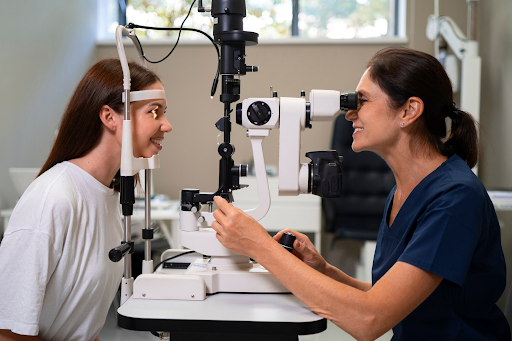
However, lifestyle adjustments alone cannot replace the value of comprehensive eye examinations. Many retinal diseases develop silently, showing no painful symptoms or noticeable vision changes in their early stages. During a thorough exam, eye care professionals use advanced imaging technology, such as optical coherence tomography, to capture detailed cross-sectional views of the retinal layers.
If these scans reveal early signs of damage, a prompt referral for retina treatment can prevent minor issues from escalating into major vision loss. Regular testing also allows specialists to track the stability of your tear film and adjust your therapeutic plan as needed. By scheduling annual eye exams, you ensure that both surface-level discomforts and deep-seated structural changes are addressed quickly, preserving your visual clarity for years to come.
Conclusion
Caring for your eyes involves a comprehensive approach that addresses both immediate surface discomfort and long-term structural health. Managing conditions like dry eye syndrome with targeted therapies ensures daily comfort and protects the cornea from damage. At the same time, monitoring the health of the retina prevents silent, progressive diseases from permanently stealing your sight. By combining healthy daily habits, advanced clinical treatments, and regular comprehensive eye examinations, you can safeguard your vision effectively. Do not wait for symptoms to worsen before seeking professional advice. Prioritising both surface care and deep ocular health ensures your eyes remain strong, clear, and healthy throughout your life.