Felix Kammerer – The Powerful Rise of an Austrian Actor Who Transformed War Cinema Forever
From Theatre Roots to Global Fame – A Story of Talent, Struggle, and Unstoppable Breakthrough

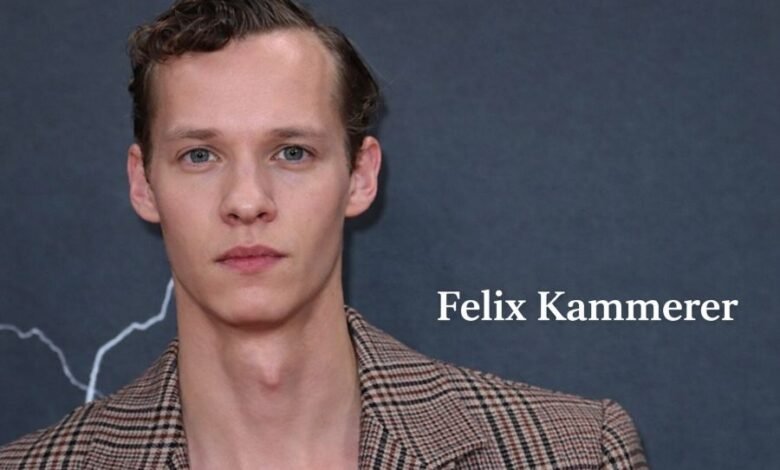
Table of Contents
ToggleIntroduction
Felix Kammerer is a name that quickly moved from quiet theatre circles to the loud global spotlight. As an Austrian actor, he represents a rare combination of raw emotional depth and disciplined performance, which makes his journey both inspiring and unique. His rise was not overnight, but when it happened, it was powerful enough to change how audiences viewed modern war cinema.
Despite his growing fame, Felix Kammerer remains grounded and focused on the craft of acting rather than celebrity culture. This balance between recognition and humility is what makes his story both positive and realistic, showing that success comes with both challenges and responsibility.
Quick Bio
| Field | Details |
|---|---|
| Full Name | Felix Kammerer |
| Date of Birth | 19 September 1995 |
| Age (2026) | 30 years |
| Birthplace | Vienna, Austria |
| Nationality | Austrian |
| Profession | Actor |
| Known For | All Quiet on the Western Front |
| Years Active | 2019 – Present |
Early Life and Background
Felix Kammerer was born in Vienna, Austria, a city known for its deep cultural and artistic traditions. Growing up in such an environment played an important role in shaping his personality and interests. He was surrounded by music, performance, and creativity from a young age, which naturally guided him toward the world of acting.
His parents are both opera singers, which meant that artistic expression was not just encouraged but was part of daily life. This exposure helped him understand performance not just as entertainment, but as a serious discipline that requires dedication, patience, and emotional honesty.
Education and Acting Training
Felix Kammerer pursued professional acting training at one of Europe’s most respected drama schools, the Hochschule für Schauspielkunst Ernst Busch in Berlin. This institution is known for producing highly skilled actors, and Kammerer was no exception.
During his time there, he developed strong foundations in voice control, stage presence, and character development. His training was intense and demanding, but it prepared him for the challenges of both theatre and film acting, giving him a solid base for his future career.
Start of Career in Theatre
Before becoming a globally recognized Austrian actor, Felix Kammerer began his journey on the stage. Theatre was his first true testing ground, where he learned how to connect with live audiences and deliver powerful performances consistently.
He performed at major institutions like the Burgtheater in Vienna, which is considered one of the most prestigious theatres in Europe. His work there earned him respect within the acting community and helped him build confidence before stepping into film.
Breakthrough Role – A Defining Moment
This performance was not just good—it was deeply powerful and emotionally intense. It showed both the physical and psychological impact of war, making audiences feel every moment of fear, loss, and survival. The role brought him international recognition and established him as a serious actor on the global stage.
Film and Television Career Growth
After his breakthrough, Felix Kammerer quickly became part of international projects. His transition from theatre to screen was smooth, proving his versatility as an Austrian actor.
He appeared in television productions like Der Pass and All the Light We Cannot See. These roles allowed him to explore different characters and expand his range, showing that he is not limited to one type of role.
Career Stats
| Category | Details |
|---|---|
| Years Active | 2019–Present |
| Theatre Background | Yes |
| Breakthrough Film | All Quiet on the Western Front |
| Major Recognition | International acclaim for lead role |
| Acting Mediums | Theatre, Film, Television |
Acting Style and Strengths
Felix Kammerer is known for his natural acting style. He does not rely on exaggerated expressions or dramatic gestures. Instead, his performances feel real and grounded, which makes them more impactful.
His ability to express deep emotions with subtle movements and expressions sets him apart from many actors. This quality allows audiences to connect with his characters on a personal level, making his performances memorable and meaningful.
Challenges and Realities
Like many actors, Felix Kammerer’s journey was not without challenges. Starting in theatre means working hard for recognition, often without the immediate rewards that come with film or television.
Even after achieving global fame, the pressure to maintain high standards and choose the right roles remains. This negative side of success is often overlooked, but it plays a crucial role in shaping an actor’s long-term career.
Future Potential and Career Direction
Felix Kammerer is still in the early stages of his career, yet he has already achieved what many actors take decades to accomplish. His future looks promising, with opportunities in both European and international cinema.
His strong foundation in theatre, combined with his growing film experience, suggests that he will continue to take on challenging and meaningful roles. This makes him one of the most exciting Austrian actors to watch in the coming years.
Conclusion
Felix Kammerer’s journey is a powerful example of how talent, training, and perseverance can lead to extraordinary success. From the theatres of Vienna to the global film stage, he has proven that authentic storytelling still holds immense value.
While his rise has been impressive, it also comes with challenges that require careful navigation. However, if his current trajectory is any indication, Felix Kammerer is set to leave a lasting impact on the world of acting.
FAQs
1. Who is Felix Kammerer?
Felix Kammerer is an Austrian actor known for his powerful role in All Quiet on the Western Front.
2. When was Felix Kammerer born?
He was born on 19 September 1995.
3. What is Felix Kammerer famous for?
He is best known for playing Paul Bäumer in All Quiet on the Western Front (2022).
4. Where did Felix Kammerer study acting?
He studied at a top drama school in Berlin, Hochschule für Schauspielkunst Ernst Busch.
5. What type of actor is Felix Kammerer?
He is known for natural, emotional, and realistic acting performances.