Mike Butcher: The Influential Journalist Shaping Europe’s Startup Narrative — Visionary Voice with Bold Impact and Hard Truths
Exploring innovation, startups, and the future of technology through bold journalism.

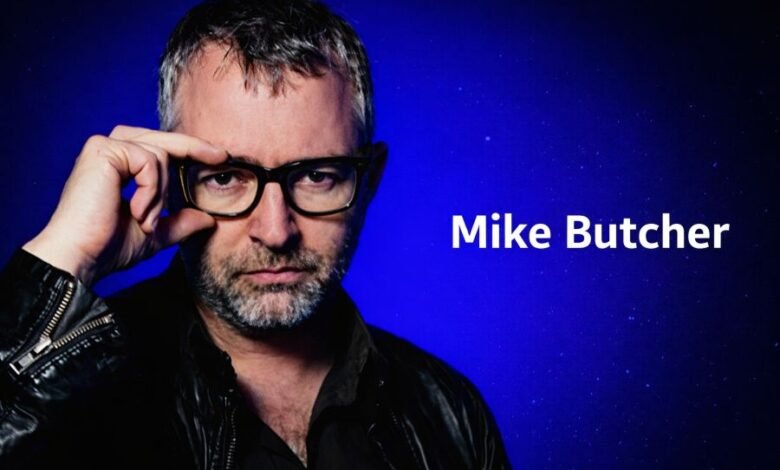
Table of Contents
ToggleIntroduction
mike butcher is widely recognized as one of the most influential figures in European technology journalism. Known for his sharp insights, fearless commentary, and deep involvement in the startup ecosystem, he has played a central role in telling the story of Europe’s innovation boom. His work has helped entrepreneurs gain visibility while also holding the industry accountable, making his voice both celebrated and, at times, controversial.
As a seasoned Journalist, mike butcher combines reporting, community building, and advocacy to bridge the gap between founders, investors, and policymakers. Over the years, his career has reflected both the opportunities and challenges of the tech industry, highlighting successes while not shying away from difficult conversations about regulation, funding, and innovation culture.
Quick Bio
| Field | Details |
|---|---|
| Name | Mike Butcher |
| Nationality | British |
| Profession | Journalist, Editor, Entrepreneur |
| Known For | European startup coverage and TechCrunch |
| Major Honor | MBE for services to technology and journalism |
| Notable Initiatives | TechHub, Techfugees, Europas Awards, TechVets |
| Industry | Media and Technology |
Early Life and Background
mike butcher grew up in the United Kingdom and entered the media world during the rapid rise of the internet. This period, marked by experimentation and uncertainty, shaped his curiosity about how technology transforms business and society. His early exposure to digital culture influenced his decision to focus on technology reporting rather than traditional news beats.
From the beginning, he showed a strong interest in the intersection of media and innovation. Observing how startups were reshaping industries, he developed a reputation for spotting emerging trends early. This foundation later allowed him to become a trusted voice in the fast-moving world of venture capital and entrepreneurship.
Education
Although specific academic institutions are not publicly documented, his professional trajectory indicates a strong grounding in journalism and media practice. His writing style reflects analytical thinking, industry awareness, and the ability to translate complex ideas into accessible narratives for a broad audience.
His career itself has served as a continuous learning journey. Through interviews, reporting, and engagement with founders, he has built deep expertise in technology ecosystems, making him one of the most knowledgeable commentators on European innovation.
Career Beginnings
Entry into Technology Journalism
mike butcher began his career covering the business of websites and digital media at a time when the internet economy was still developing. This niche focus gave him a unique perspective on how online platforms would eventually reshape global markets.
He later joined a leading media publication focused on new media trends, where he quickly rose to an editorial role. This period helped him refine his editorial voice and gain recognition for his ability to identify important industry shifts before they became mainstream.
Rise Through Editorial Roles
His subsequent role as a news editor at a major European tech publication further strengthened his credibility. Reporting on startups, venture capital, and policy developments, he built a reputation as a Journalist who understood both the business and cultural dimensions of technology.
This stage of his career laid the groundwork for his most prominent professional chapter, positioning him as a key commentator on Europe’s growing digital economy.
TechCrunch Era and Industry Influence
Building European Startup Coverage
mike butcher’s move to TechCrunch marked a turning point in his career. As a leading editor covering the UK and Europe, he helped establish a strong editorial presence for the publication in the region. His reporting gave visibility to emerging companies and investors, helping shape international perceptions of Europe’s tech landscape.
Through interviews, analysis, and event coverage, he documented the rise of major startup hubs. His work contributed to the narrative that Europe could compete globally in innovation, encouraging investment and collaboration across borders.
Voice of the Ecosystem
Beyond reporting, he became an active participant in the community he covered. His commentary often balanced optimism about innovation with critical perspectives on funding gaps and regulatory challenges. This dual approach earned him respect as well as debate, reinforcing his role as a thought leader rather than just an observer.
Business Ventures and Community Building
Supporting Founders and Communities
mike butcher has been involved in several initiatives designed to strengthen the startup ecosystem. By co-founding a collaborative workspace community, he helped create a physical and social hub where entrepreneurs could connect, share knowledge, and scale their ideas.
His efforts also extended to social impact. Through initiatives focused on using technology to support underserved groups, he demonstrated a belief that innovation should benefit society as a whole, not just investors and corporations.
Events and Recognition Platforms
He also launched a major awards program celebrating European startups, providing recognition and visibility to high-growth companies. These platforms have played an important role in highlighting talent and encouraging cross-border collaboration within the tech industry.
Media Presence and Thought Leadership
As a prominent Journalist, mike butcher has appeared on international television networks and spoken at global conferences. His ability to explain complex technological trends in simple terms has made him a sought-after commentator for both mainstream audiences and industry insiders.
His speaking engagements often explore themes such as the future of innovation, the role of policy in tech growth, and the importance of diversity in entrepreneurship. These contributions have helped shape conversations beyond traditional media channels.
Awards and Recognition
One of the most notable recognitions in his career is being appointed a Member of the Order of the British Empire for his services to technology and journalism. This honor reflects the significant influence of his work on the development of the tech ecosystem.
He has also been listed among influential figures in European technology by various publications, further cementing his reputation as a key industry voice.
Impact on the European Tech Landscape
mike butcher’s influence extends beyond articles and interviews. By connecting founders with investors, amplifying success stories, and advocating for innovation, he has contributed to the growth of a more confident and globally competitive European tech scene.
At the same time, his willingness to critique industry shortcomings has encouraged transparency and accountability. This balanced perspective has helped shape a more mature and resilient ecosystem.
Conclusion
mike butcher stands as a defining figure in modern technology journalism. His career reflects both the promise and the complexity of the digital economy, capturing the excitement of innovation while acknowledging its challenges. Through reporting, community building, and advocacy, he has helped elevate Europe’s role in the global tech conversation.
As the industry continues to evolve, his legacy lies in the stories he has told and the communities he has helped build. Whether through media, events, or initiatives, his influence continues to shape how technology is understood and discussed across the world.
FAQ
Who is mike butcher?
mike butcher is a British Journalist and technology commentator known for his extensive coverage of the European startup ecosystem.
What is mike butcher best known for?
He is best known for his leadership in technology journalism and his role in promoting European startups through media and community initiatives.
Has mike butcher received any honors?
Yes, he was awarded an MBE for services to technology and journalism.
What industries does he focus on?
His work primarily focuses on startups, venture capital, innovation policy, and the broader technology sector.