Henrietta Moraes Biography: The Powerful and Turbulent Life of a Soho Muse
A British Artist's Model and Memoirist Who Inspired Great Art and Lived a Life of Contrasts

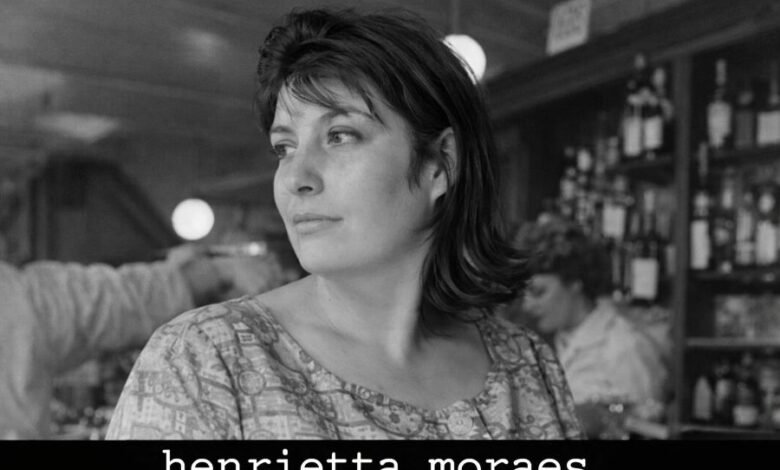
Henrietta Moraes remains one of the most fascinating figures in British cultural history. Known as a celebrated muse of post-war London, she was admired for her beauty, personality, and presence in the Soho art scene. Her life was filled with creativity and fame, but also marked by personal struggles and hardship. As a British artist’s model and memoirist, she became immortal through the masterpieces of renowned painters and through her own written words.
Henrietta’s story is both inspiring and cautionary. She lived among artists, writers, and bohemian icons, becoming a symbol of artistic freedom. At the same time, her journey reflected the darker side of that world, where excess and instability often followed brilliance. Her life continues to capture attention because it represents both the glamour and the fragility of the human spirit.
Table of Contents
ToggleQuick Bio
| Detail | Information |
|---|---|
| Real Name | Audrey Wendy Abbott |
| Known As | Henrietta Moraes |
| Date of Birth | 22 May 1931 |
| Birthplace | Simla (now Shimla), British India |
| Nationality | British |
| Profession | British artist’s model and memoirist |
| Spouses | Michael Law, Norman Bowler, Dom Moraes |
| Children | Joshua, Caroline |
| Famous For | Muse of Francis Bacon and Lucian Freud |
| Memoir | Henrietta (1994) |
| Death | 6 January 1999 |
Early Life of Henrietta Moraes
Henrietta Moraes was born as Audrey Wendy Abbott on 22 May 1931 in Simla, British India. Her early years were far from easy, as she experienced a difficult childhood that shaped much of her later life. She eventually moved to England, where she grew up under challenging circumstances and faced emotional hardship.
Despite her troubled upbringing, Henrietta possessed a striking individuality. She attended a secretarial college in her youth, but she did not follow a conventional path. Instead, she was drawn toward London’s creative world, where her personality and beauty would soon make her unforgettable.
Entering the Soho Bohemian Scene
Henrietta Moraes began her career around 1950, working as an artist’s model. At the time, Soho was the beating heart of London’s post-war artistic community. It was a place where painters, writers, and musicians gathered, and Henrietta quickly became one of its most recognizable faces.
Her presence in Soho was powerful and magnetic. She was admired for her confidence and charm, but she also carried an unpredictable edge. This combination made her an ideal subject for artists who wanted to capture raw emotion and intensity in their work.
Henrietta Moraes as a British Artist’s Model
Henrietta Moraes became famous primarily as a British artist’s model and memoirist, inspiring some of the greatest painters of the twentieth century. Her face and figure appeared in numerous portraits that would later become iconic pieces of modern art.
One of her most important artistic connections was with Francis Bacon. He painted her multiple times, turning her into one of his most memorable subjects. His portraits of Henrietta are often seen as both haunting and deeply expressive.
Lucian Freud also painted her, capturing her in works that revealed both vulnerability and strength. Through these artists, Henrietta became immortal, her image forever tied to the golden yet gritty era of Soho.
Personal Life and Relationships
Henrietta Moraes lived a life filled with intense relationships and dramatic personal chapters. She was married three times during her lifetime, each marriage reflecting a different stage of her journey.
Her first husband was Michael Law, who introduced her to a new identity and gave her the name Henrietta. She later married Norman Bowler, with whom she had two children, Joshua and Caroline. Her third marriage was to Dom Moraes, an Indian poet, adding another layer of cultural richness to her life story.
Her personal life was often passionate and complicated. Henrietta’s relationships were part of her bohemian existence, where love and chaos frequently intertwined.
Struggles Behind the Glamour
While Henrietta Moraes was celebrated in artistic circles, her life was not purely glamorous. The Soho world, though exciting, also carried darker realities. Henrietta faced personal struggles that affected her stability and well-being.
Her life reflected both positive and negative experiences. On one hand, she was admired and remembered as a muse of extraordinary influence. On the other hand, she endured hardship and instability, showing how fragile life can be even in the presence of fame.
Her story reminds readers that behind artistic beauty often lies deep complexity.
Writing Career and Memoir
Henrietta Moraes was not only a model but also a memoirist. In 1994, she published her autobiography titled Henrietta. This book provided an intimate look into her life, offering firsthand insight into the bohemian world of Soho.
Her memoir stands as an important cultural document. It tells the story of a woman who lived at the center of creativity, capturing the spirit of an era that was both liberating and destructive.
Through her writing, Henrietta gave herself a voice beyond the canvas, ensuring she would be remembered not only as a subject but also as a storyteller.
Later Years and Final Chapter
In her later years, Henrietta lived more quietly compared to her earlier Soho days. She remained connected to the art world and continued to be remembered by those who valued her role in British cultural history.
Henrietta Moraes passed away on 6 January 1999 in London at the age of 67. Her death marked the end of an extraordinary life, but her legacy continued through the portraits, paintings, and memoir she left behind.
Legacy of Henrietta Moraes
Henrietta Moraes remains a powerful symbol of post-war British bohemian culture. Her legacy is deeply tied to the art she inspired and the world she represented.
She is remembered as:
-
A central figure in London’s Soho creative community
-
A muse for Francis Bacon and Lucian Freud
-
A British artist’s model and memoirist whose life reflected both brilliance and struggle
-
A woman whose story continues to fascinate historians and art lovers
Her life proves that influence is not always measured by traditional success, but by the lasting impact one leaves behind.
Conclusion
Henrietta Moraes lived a life of extremes, filled with artistic brilliance, emotional turbulence, and unforgettable cultural significance. She was both celebrated and troubled, admired and fragile, making her story deeply human. As a British artist’s model and memoirist, she helped shape an era of art that still resonates today.
Her portraits remain timeless, and her memoir offers a rare glimpse into a world where creativity flourished alongside chaos. Henrietta Moraes continues to stand as one of Soho’s most enduring legends.
Frequently Asked Questions (FAQ)
Who was Henrietta Moraes?
Henrietta Moraes was a British artist’s model and memoirist known for inspiring major post-war painters like Francis Bacon and Lucian Freud.
What was Henrietta Moraes’ real name?
Her real name was Audrey Wendy Abbott.
When and where was she born?
She was born on 22 May 1931 in Simla, British India.
Why is Henrietta Moraes famous?
She became famous as a muse of Soho’s art world and the subject of many iconic portraits.
Did Henrietta Moraes write a book?
Yes, she wrote a memoir titled Henrietta, published in 1994.
How is she remembered today?
Henrietta Moraes is remembered as one of the most iconic muses in British modern art history.