Chris Kirkland: The Powerful Rise, Painful Setbacks, and Resilient Legacy of an English Coach and Football Player
A story of elite talent, brutal injuries, and an inspiring second act beyond the goalposts

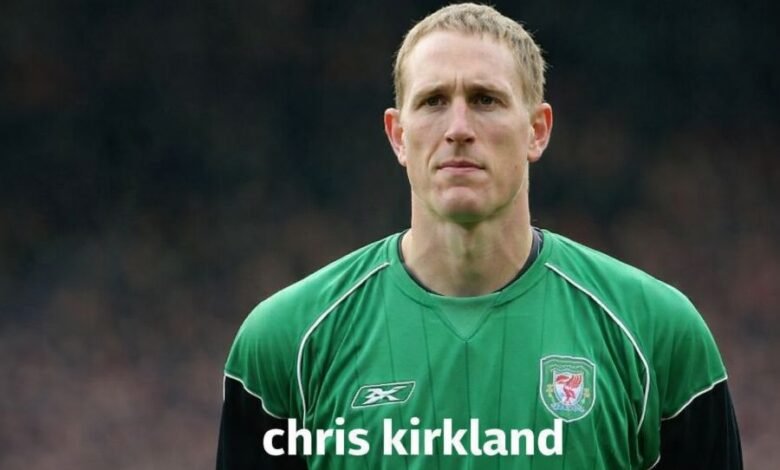
Table of Contents
ToggleIntroduction
Chris Kirkland is a name that resonates with promise, perseverance, and honesty in English football. Once regarded as one of the most naturally gifted goalkeepers of his generation, his career reached the very top of the sport while also being repeatedly interrupted by physical setbacks. His journey reflects both the glory and the harsh realities of professional football.
Beyond trophies and appearances, Chris Kirkland’s story stands out because of what came after the final whistle. Transitioning into coaching and mental health advocacy, he reshaped his identity from elite athlete to influential English coach and football player whose impact now extends far beyond the pitch.
Quick Bio
| Field | Details |
|---|---|
| Full Name | Christopher Edmund Kirkland |
| Known As | Chris Kirkland |
| Date of Birth | 2 May 1981 |
| Birthplace | Barwell, Leicestershire, England |
| Nationality | English |
| Profession | Former Footballer, Football Coach |
| Playing Position | Goalkeeper |
| Height | 1.98 m (6 ft 6 in) |
| Professional Debut | 1999 |
| Retirement | 2016 |
Early Life and Education
Chris Kirkland was born in Barwell, a town in Leicestershire, England, where his early years were shaped by a strong sporting environment. From a young age, he showed an exceptional aptitude for goalkeeping, supported closely by his family, particularly his father, who played a key role in his early training.
He attended Heathfield School before continuing his studies at Henley College in Coventry. During this period, Kirkland balanced education with intense football development, eventually joining the Coventry City youth academy. This foundation proved crucial in preparing him for the physical and mental demands of professional football.
Start of Professional Career
Chris Kirkland began his professional football career with Coventry City, making his senior debut in 1999. His commanding presence, sharp reflexes, and confidence under pressure quickly distinguished him as a goalkeeper with elite potential.
Despite his young age, he demonstrated maturity and composure that drew attention from top clubs. His performances at Coventry did not go unnoticed, and it became clear that he was destined for the highest level of English football.
Rise to the Elite Level
In 2001, Kirkland made a major career move by joining Liverpool. The transfer marked a defining moment, placing him among Europe’s elite footballers and exposing him to the highest standards of competition.
At Liverpool, he experienced both triumph and frustration. While competition for the starting role was intense, he remained a trusted option and contributed during crucial periods. His time at the club culminated in winning the UEFA Champions League, a pinnacle achievement that cemented his place in football history.
Career Challenges and Injuries
While his talent was unquestionable, Chris Kirkland’s career was repeatedly disrupted by serious injuries. Back, hip, groin, and finger issues limited his consistency and availability, preventing him from sustaining long runs as a first-choice goalkeeper at elite clubs.
These injuries were not just physical setbacks; they also took a mental toll. Repeated rehabilitation cycles tested his resilience, and each return required renewed determination. Despite this, Kirkland continued to compete at a high level, earning respect across the footballing community for his professionalism.
Wigan Athletic and Career Stability
A defining chapter of his career came at Wigan Athletic, where Chris Kirkland enjoyed his most stable period as a first-choice goalkeeper. Here, he accumulated over a hundred league appearances and became a central figure in the squad.
His performances during this time earned him recognition from teammates and supporters alike. Winning the Players’ Player of the Year award reflected the respect he commanded in the dressing room and highlighted his influence as a leader on the pitch.
Later Playing Years
Following his time at Wigan, Kirkland continued his career with clubs including Sheffield Wednesday, where he again established himself as a reliable and experienced goalkeeper. His leadership and calm presence proved valuable, particularly in high-pressure situations.
As his playing days progressed, injuries became more frequent, and opportunities at the highest level gradually declined. In 2016, after an 18-year professional career, Chris Kirkland officially retired from professional football.
International Career
Chris Kirkland represented England at under-21 level before earning a senior cap in 2006. Though his international appearances were limited, being selected for the national team reflected the high regard in which his abilities were held.
Competing at international level marked another milestone in his career, fulfilling a goal shared by many professional footballers but achieved by few.
Transition Into Coaching
After retirement, Chris Kirkland moved into coaching, applying his experience and knowledge to player development. He worked as a goalkeeping coach and later became involved with Liverpool Women’s coaching staff, briefly serving as caretaker manager.
This transition showcased his tactical understanding of the game and his ability to mentor younger players. As an English coach and football player turned mentor, he began influencing the game from the sidelines rather than between the posts.
Mental Health Advocacy
One of the most significant aspects of Kirkland’s post-playing life has been his openness about mental health struggles. He has spoken publicly about depression and recovery, using his platform to support others facing similar challenges.
His advocacy has helped reduce stigma within professional sport and beyond. Through speaking engagements and mentorship, he has become a respected voice in mental health awareness, earning recognition for his honesty and impact.
Legacy and Impact
Chris Kirkland’s legacy is defined by more than trophies or appearances. He represents a generation of footballers whose careers were shaped as much by resilience as by talent.
As both a former elite goalkeeper and a modern English coach and football player committed to mental well-being, his influence continues to grow. His story serves as a powerful reminder that success in sport is not only about victories, but also about character, recovery, and purpose beyond the game.
Conclusion
Chris Kirkland’s journey is one of extraordinary highs and deeply challenging lows. From Champions League nights to long injury recoveries, he experienced the full spectrum of professional football.
Today, his role as a coach and mental health advocate ensures that his contribution to the sport endures. His life and career stand as an inspiring example of how setbacks can be transformed into strength, making his story both relevant and meaningful for generations to come.
Frequently Asked Questions
Who is Chris Kirkland?
Chris Kirkland is a former professional football goalkeeper from England who later became a football coach and mental health advocate.
What position did Chris Kirkland play?
He played as a goalkeeper throughout his professional career.
Which clubs did Chris Kirkland play for?
He played for clubs including Coventry City, Liverpool, Wigan Athletic, Sheffield Wednesday, and others during an 18-year career.
Why is Chris Kirkland well known beyond football?
He is widely respected for his openness about mental health and his work advocating awareness and recovery after retirement.
What is Chris Kirkland doing now?
Chris Kirkland works in football coaching and mental health advocacy, sharing his experience to support players and the wider community.