Juliet Nicolson: The Remarkable Voice of British History — Inspiring Literary Success Yet Quietly Underrated
A powerful journey of a British author and journalist who transformed social history into compelling storytelling

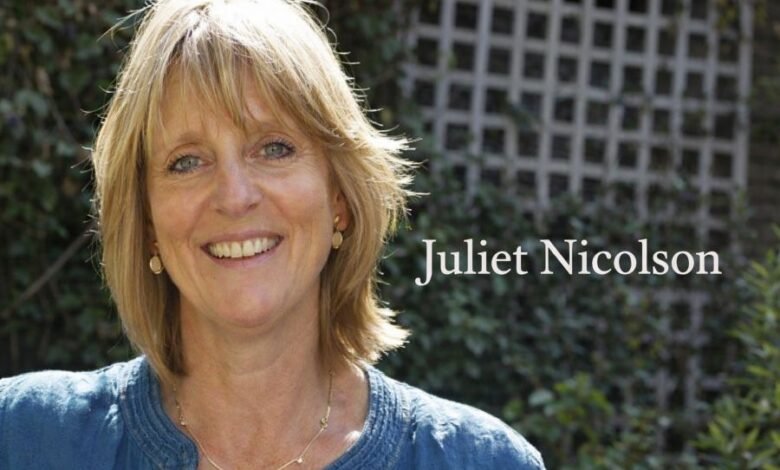
Table of Contents
ToggleIntroduction
Juliet Nicolson is widely recognized as a British author and journalist whose work explores the human side of historical events. Through thoughtful storytelling and detailed research, she has written books that bring past societies, cultures, and personal stories to life. Her writing does not simply present historical facts; instead, it paints vivid pictures of how ordinary people experienced extraordinary times.
Despite her remarkable achievements and respected literary heritage, Juliet Nicolson is sometimes considered quietly underrated in the broader literary world. However, readers and historians appreciate her ability to transform complex historical moments into engaging narratives that feel both personal and educational. Her work continues to inspire readers who want to understand the past through meaningful stories.
Quick Bio
| Field | Details |
|---|---|
| Full Name | Juliet Nicolson |
| Date of Birth | 9 June 1954 |
| Age | 71 years (as of 2026) |
| Birthplace | Bransgore, England, United Kingdom |
| Nationality | British |
| Profession | Author, Journalist, Social Historian |
| Known For | Writing narrative social history books |
| Parents | Nigel Nicolson and Philippa Tennyson-d’Eyncourt |
| Grandparents | Vita Sackville-West and Harold Nicolson |
| Children | Two daughters |
Early Life and Family Background
Juliet Nicolson was born in Bransgore, England, into a family deeply connected to literature and intellectual life. Her father, Nigel Nicolson, was a writer, publisher, and politician, while her mother, Philippa Tennyson-d’Eyncourt, came from a distinguished British family with cultural influence.
Growing up in such an environment exposed Nicolson to literature, history, and political discussion from an early age. These early experiences played a major role in shaping her curiosity about society and the stories behind historical events.
Her family heritage is particularly remarkable. Her grandparents, Vita Sackville-West and Harold Nicolson, were prominent figures in British cultural life. Vita Sackville-West was a well-known novelist and poet, while Harold Nicolson was a diplomat and writer. Their influence surrounded Juliet Nicolson throughout her childhood.
Education and Intellectual Development
Juliet Nicolson received her early education at Benenden School, a respected boarding school in England known for its strong academic tradition. During her school years, she developed a deep interest in literature, reading widely and exploring different writing styles.
She later attended St Hugh’s College at the University of Oxford, where she studied English Literature. Her time at Oxford helped refine her analytical thinking and writing skills. Studying literature at such a prestigious institution gave her the intellectual tools necessary to explore history through storytelling.
The academic environment at Oxford also exposed Nicolson to diverse historical perspectives. This influence later became visible in her writing style, which blends research with narrative storytelling.
Beginning of Her Career
Juliet Nicolson started her professional career in the publishing industry. From the mid-1970s onward, she worked in publishing houses in both London and New York. This early professional experience gave her valuable insight into the literary world and the process of bringing books to readers.
Working in publishing allowed Nicolson to understand how stories are crafted, edited, and presented to audiences. It also provided her with an opportunity to work closely with writers, editors, and literary professionals.
Her years in publishing shaped her understanding of the literary industry and eventually prepared her for her own writing career. This experience proved essential when she later transitioned into journalism and authorship.
Transition into Journalism
After gaining extensive experience in publishing, Juliet Nicolson eventually shifted toward journalism. She began writing articles and commentary for several well-known British newspapers and magazines.
As a British author and journalist, Nicolson contributed to respected publications such as national newspapers and cultural magazines. Her journalism covered a range of topics including literature, society, and culture.
Her writing style in journalism reflects clarity, thoughtful analysis, and strong storytelling. These qualities helped establish her reputation as a writer capable of explaining complex topics in an engaging way.
Writing Career and Major Books
Juliet Nicolson became widely known for her books that explore social history. Instead of focusing solely on political events, she examines how everyday people experienced historical moments.
Her writing often combines personal stories, archival research, and cultural analysis. This approach allows readers to connect emotionally with historical events.
The Perfect Summer
One of Nicolson’s most notable works is The Perfect Summer. The book explores British society during the summer of 1911, a period just before the First World War. Through detailed storytelling, Nicolson describes a society enjoying prosperity and cultural change while unknowingly approaching a global conflict.
The book highlights both the optimism and hidden tensions of that era. Readers gain insight into how different social groups experienced this moment in history.
The Great Silence
Another significant work by Nicolson is The Great Silence. This book examines the years immediately following the First World War and the emotional aftermath experienced by families across Britain.
The narrative explores how society struggled to process the losses caused by the war. Through personal stories and historical records, Nicolson reveals the deep emotional impact of the conflict.
Abdication
Juliet Nicolson also wrote the historical novel Abdication. The story is set during the constitutional crisis of 1936 when King Edward VIII abdicated the British throne.
The novel explores the social atmosphere and political tensions surrounding this dramatic moment in British history. Nicolson combines factual historical context with fictional storytelling to create a compelling narrative.
A House Full of Daughters
In A House Full of Daughters, Nicolson explores the lives of several generations of women in her own family. The book blends memoir with historical exploration, examining how social expectations and personal ambitions shaped women’s lives over time.
This work offers readers a personal perspective on family history while also exploring broader cultural changes.
Frostquake
Another important book is Frostquake, which examines the extremely harsh winter of 1962–1963 in Britain. The book focuses on how severe weather affected everyday life and social structures during that period.
Through careful storytelling, Nicolson shows how natural events can reveal deeper truths about society and resilience.
Writing Style and Influence
Juliet Nicolson’s writing style is often described as narrative social history. She focuses on how historical events affected individuals and communities rather than simply listing political facts.
This approach makes her books accessible to both academic readers and general audiences. Her storytelling ability allows readers to experience history through emotions, personal struggles, and everyday experiences.
Her work contributes significantly to modern historical writing by demonstrating that history is not only about leaders and wars but also about ordinary people.
Conclusion
Juliet Nicolson stands out as a thoughtful British author and journalist who has dedicated her career to exploring history through storytelling. Her work combines detailed research with engaging narratives, allowing readers to understand the past in a deeply human way.
Although she comes from a famous literary family, Nicolson has created her own distinctive voice in the world of historical writing. Her books continue to educate and inspire readers who are interested in the social and emotional dimensions of history.
Through her writing, Juliet Nicolson reminds us that history is not just a collection of events but a tapestry of human experiences that continue to shape the present.
FAQ
Who is Juliet Nicolson?
Juliet Nicolson is a British author and journalist known for writing narrative social history books that explore important periods in British society.
When was Juliet Nicolson born?
She was born on 9 June 1954 in Bransgore, England.
What is Juliet Nicolson known for?
She is known for books such as The Perfect Summer, The Great Silence, Abdication, A House Full of Daughters, and Frostquake.
What type of books does Juliet Nicolson write?
Juliet Nicolson writes social history and historical narrative books that combine research with storytelling.
Why is Juliet Nicolson important in literature?
She is important because her writing helps readers understand historical events through personal stories and social experiences rather than only political history.