John Curry – The Brilliant Ice Visionary Who Transformed Skating Forever | Triumph, Art, and Tragedy
The inspiring yet challenging journey of a British figure skater who redefined elegance on ice

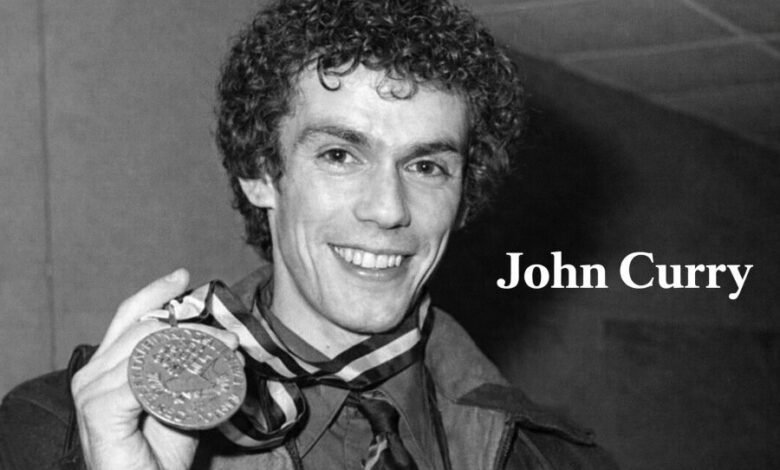
Table of Contents
ToggleIntroduction
John Curry was not just a champion; he was a revolutionary artist who reshaped the world of figure skating. Known for his graceful movements and ballet-inspired routines, he brought a new dimension to a sport that was once focused mainly on technical performance. His journey reflects both extraordinary success and personal struggle, making his story deeply inspiring.
As a British figure skater, Curry achieved global recognition through his unmatched artistry and discipline. However, his life also included emotional battles and health challenges, proving that even the greatest talents face adversity. His legacy remains a powerful blend of brilliance and resilience.
Quick Bio
| Field | Details |
|---|---|
| Full Name | John Anthony Curry |
| Date of Birth | 9 September 1949 |
| Birthplace | Birmingham, England |
| Nationality | British |
| Profession | Figure Skater, Performer, Choreographer |
| Height | 5 ft 11 in (180 cm) |
| Known For | Olympic Gold Medalist (1976) |
| Major Achievement | Grand Slam Winner (1976) |
| Health Status | Diagnosed with HIV in 1987 |
| Death | 15 April 1994 |
Early Life and Background
Despite his passion, his father did not support his interest in dance. As a compromise, Curry began learning figure skating at a young age. This decision proved to be life-changing, as it allowed him to combine athletic performance with artistic expression.
Education and Training
Curry attended Solihull School, where he received his early education. Alongside academics, he focused heavily on skating, dedicating long hours to training and improvement. His commitment was evident even at a young age.
He later trained professionally under well-known coaches, which helped him refine his technical skills. At the same time, he continued to study dance, which became a defining feature of his skating style.
Start of Career
John Curry began competing in figure skating during the 1960s. His early performances showed promise, but it was his unique artistic approach that set him apart from other skaters. He focused not only on jumps and spins but also on storytelling through movement.
As a British figure skater, he gradually gained recognition in national competitions. His dedication and innovative style helped him rise through the ranks and prepare for international success.
Rise to Fame and Olympic Success
He won the gold medal, becoming the first British male figure skater to achieve this milestone. In the same year, he also won the World Championship and European Championship, completing a remarkable Grand Slam.
Artistic Innovation in Skating
One of Curry’s greatest contributions was his ability to merge ballet with figure skating. He believed that skating should be more than a sport—it should be an art form. His performances reflected this philosophy.
His routines were carefully choreographed to music, creating a theatrical experience on ice. This approach influenced future generations of skaters and changed the way the sport is perceived today.
Professional Career and Performances
He toured internationally and gained widespread acclaim for his shows. His work demonstrated that figure skating could be a powerful form of artistic expression, not just a competitive sport.
Personal Life and Challenges
John Curry’s life was not without challenges. He faced criticism and public scrutiny, particularly regarding his personal identity. During a time when acceptance was limited, he remained true to himself.
His determination to pursue his passion despite societal pressures highlights his courage. His story is not only about success but also about resilience in the face of adversity.
Health and Later Years
In 1987, Curry was diagnosed with HIV. This marked a difficult period in his life, as his health gradually declined. Despite this, he continued to contribute to the world of skating and remained dedicated to his craft.
His strength during these years reflects his character and commitment. He passed away in 1994, leaving behind a legacy that continues to inspire.
Legacy and Influence
As a British figure skater, he remains one of the most celebrated athletes in the country’s history. His achievements and innovations continue to inspire both athletes and artists around the world.
Conclusion
John Curry’s life was a powerful combination of brilliance and struggle. He achieved extraordinary success while facing personal and societal challenges. His journey shows that true greatness lies not only in talent but also in courage and determination.
His legacy as a pioneer of artistic skating ensures that he will always be remembered. John Curry was not just a champion—he was a visionary who changed the sport forever.
FAQs
1. Who was John Curry?
John Curry was a British figure skater and Olympic gold medalist known for introducing ballet-style artistry into skating.
2. What is John Curry famous for?
He is famous for winning the 1976 Olympic gold medal and transforming figure skating into an art form.
3. When was John Curry born?
He was born on 9 September 1949.
4. What major titles did he win?
He won Olympic, World, and European championships in 1976.
5. What made his skating unique?
His integration of ballet and artistic choreography set him apart from other skaters.
6. Did John Curry perform professionally?
Yes, he founded the Theatre of Skating and performed internationally.
7. What challenges did he face?
He faced public scrutiny and later health challenges after being diagnosed with HIV.
8. When did John Curry die?
He passed away on 15 April 1994.
9. What is his legacy?
He is remembered as a pioneer who transformed figure skating into an artistic performance.
10. Why is he still important today?
His influence continues to shape modern figure skating, especially in artistic presentation.