Maintaining oral health often requires surgical intervention, whether you are managing a complex case like a salivary gland tumour in London or undergoing routine third molar extraction. Wisdom teeth removal is one of the most common outpatient procedures globally. In Australia, patients seek highly trained dental practitioners to ensure the process remains safe, pain-free, and highly efficient. Understanding how clinicians plan and execute this surgery can alleviate anxiety and help you prepare for a smooth recovery. This article details the precise steps, safety protocols, and diagnostic measures clinical teams utilise to protect patients during the extraction of impacted or problematic third molars.
Comprehensive Pre-Operative Assessment and Imaging
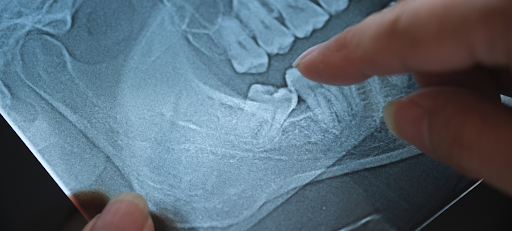
The journey to a safe extraction begins long before the surgeon lifts a scalpel. Dentists prioritise a meticulous pre-operative assessment to map the unique anatomy of each patient’s mouth. During an initial consultation for Sydney wisdom teeth removal, practitioners utilise advanced digital imaging, such as panoramic X-rays and Cone Beam Computed Tomography (CBCT) scans. These three-dimensional images reveal the exact positioning of the tooth roots relative to critical anatomical structures, including the inferior alveolar nerve and the maxillary sinuses.
By identifying these boundaries beforehand, clinicians significantly reduce the risk of nerve injury or sinus perforation. This diagnostic phase also serves as an essential screening opportunity for broader oral pathologies. Just as an oncologist might evaluate a salivary gland tumour in London using advanced imaging, dental surgeons in Sydney inspect the surrounding bone and soft tissues for cysts, abnormal growths, or lesions. If the dentist detects any unusual tissue changes during this routine screening, they can refer the patient to specialised oral maxillofacial pathologists immediately. This comprehensive diagnostic protocol ensures that the extraction planning is both highly targeted and protective of the patient’s systemic health. Furthermore, patients must share their complete medical history, including current medications and systemic conditions like diabetes or cardiovascular disorders. This data allows the clinical team to customise the surgical approach, select appropriate anaesthesia, and plan post-operative care tailored to individual healing capacities.
Anaesthesia Options and Patient Comfort
Patient comfort and safety during the surgical procedure depend heavily on the selection of appropriate anaesthesia. Dentists offer several sedation modalities based on the complexity of the impaction and the patient’s anxiety levels. For straightforward extractions, local anaesthetic is highly effective. It completely numbs the target area, allowing the patient to remain awake and alert without experiencing pain.
For more complex cases, such as deeply impacted teeth, clinicians often recommend intravenous (IV) sedation or general anaesthesia. IV sedation, also known as twilight sedation, induces a state of deep relaxation where patients can still follow simple instructions but retain little to no memory of the procedure afterwards. When performing Sydney wisdom teeth removal under sedation, clinics must adhere to strict safety regulations. This includes continuous monitoring of vital signs, such as blood pressure, heart rate, and oxygen saturation levels. Trained dental sedationists or anaesthetists administer the drugs, ensuring the operating dentist can focus entirely on the surgical extraction. This division of labour minimises risks and guarantees a controlled, sterile environment for every patient. Additionally, modern clinics maintain fully stocked emergency carts and rescue medications, demonstrating a proactive stance toward patient safety. By tailoring the sedative approach to the patient’s emotional and physical needs, dental professionals make the entire surgical experience predictable, stress-free, and exceptionally safe.
Surgical Precision and Minimal Trauma Techniques
Once the anaesthesia takes full effect, the dentist initiates the surgical phase using minimally invasive techniques designed to preserve surrounding bone and gum tissue. To access an impacted wisdom tooth, the surgeon makes a precise incision in the gum tissue. Rather than pulling the tooth out in one piece, which can apply excessive force to the jawbone, dentists typically section the tooth into smaller, manageable segments.
Using specialised surgical drills, the dentist gently removes a minimal amount of overlying bone to clear a pathway. Sectioning the tooth allows each piece to be lifted out smoothly without putting pressure on the adjacent second molars or the delicate nerves running through the lower jaw. This technique significantly reduces post-operative swelling, pain, and bruising. Throughout the procedure, the surgical field is continuously irrigated with sterile saline solution to keep the bone cool and clear away debris. Once the tooth segments are safely removed, the dentist thoroughly cleans the socket to eliminate any remaining dental sac or debris. Finally, they place dissolvable sutures to close the gum tissue, which promotes rapid healing and minimises the risk of food particles getting trapped in the wound. This meticulous attention to detail during the active surgical phase ensures that trauma to the surrounding vascular and nerve networks is kept to an absolute minimum, laying the groundwork for an uncomplicated recovery period.
Post-Operative Monitoring and Pathology Screening
The commitment to patient safety does not end when the last suture is tied. Immediately following Sydney wisdom teeth removal, patients move to a dedicated recovery area where clinical staff monitor them until the sedative agents wear off. Before discharge, the dental team provides comprehensive, written post-operative instructions covering pain management, dietary restrictions, and oral hygiene practices.
In rare instances, unusual tissue or fluid-filled cysts surrounding the extracted tooth are sent to a pathology lab for biopsy. While most dental cysts are benign, routine pathology screening is a critical safety net. Just as a patient investigating a salivary gland tumour in London relies on precise biopsy results to guide their treatment plan, dental patients benefit from this rigorous laboratory verification. This ensures that any underlying systemic issues or silent pathologies are identified and treated early. Dentists also schedule follow-up appointments to monitor healing progress, assess tissue recovery, and ensure the socket is closing correctly without signs of infection or dry socket. By providing clear guidance on avoiding strenuous activities, managing minor bleeding, and maintaining a soft-food diet, clinicians empower patients to take an active role in their recovery, ensuring a seamless transition back to their daily routines.
Conclusion
Wisdom teeth extraction is a highly refined surgical procedure that prioritises patient safety through meticulous planning, advanced diagnostics, and gentle surgical techniques. From the initial 3D imaging scans to the tailored sedation options and precise tooth-sectioning methods, modern dental practices ensure minimal discomfort and rapid recovery. By integrating comprehensive oral health screenings during these routine procedures, dentists protect patients from broader complications, ensuring overall physical well-being. When you choose an experienced dental professional who adheres to strict clinical standards, you can approach your third molar extraction with absolute confidence, knowing that your oral health is in safe, capable hands.