Con Coughlin Unveiled Journalist Career Controversy Triumph
Inside the Life of Britain’s Most Influential Journalist

Introduction
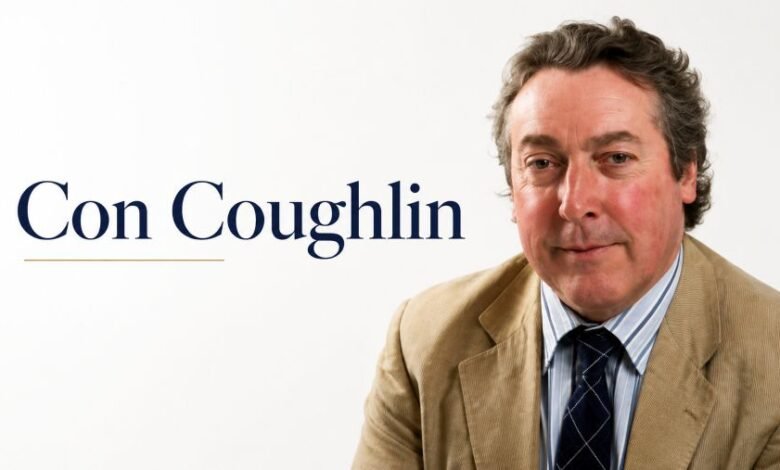
Con Coughlin is a name synonymous with British journalism, international security analysis, and fearless reporting. Over a career spanning more than four decades, he has established himself as a formidable journalist with expertise in the Middle East, defence, and foreign affairs. Known for his incisive reporting and sometimes controversial commentary, Con Coughlin has shaped public understanding of global conflict, terrorism, and political power. His work has earned both admiration and criticism, reflecting the complexities of reporting in a rapidly evolving international landscape. This article explores his life, career, achievements, and impact, giving readers a comprehensive understanding of one of Britain’s most respected journalists.
Quick Bio
| Field | Details |
|---|---|
| Full Name | Con Coughlin |
| Date of Birth | 14 January 1955 |
| Age | 71 years |
| Birthplace | London, England |
| Nationality | British |
| Profession | Journalist, Author, Foreign Affairs Commentator |
| Known For | Defence and Foreign Affairs Reporting |
| Current Role | Defence and Foreign Affairs Editor, The Daily Telegraph |
| Academic Role | Senior Visiting Fellow, King’s College London |
Early Life and Education
Con Coughlin was born in London and grew up in Upminster, Essex. From a young age, he displayed a keen interest in current affairs, inspired in part by his father, C.A. Coughlin, a crime correspondent. His academic excellence earned him a scholarship to Christ’s Hospital School, a foundation that laid the groundwork for his analytical skills. At eighteen, he proceeded to Brasenose College, Oxford, where he studied Modern History. Under the mentorship of historian Simon Schama, he honed his understanding of historical conflicts and international politics, preparing him for a career in journalism that would cover global events and complex political narratives.
During his school years, Con Coughlin demonstrated exceptional writing skills and curiosity about the wider world. His education in history allowed him to develop a contextual perspective on modern conflicts, which would later become a hallmark of his reporting style. His formative years were marked by both academic rigor and exposure to the evolving social and political landscape of post-war Britain.
Career Start and Early Journalism
In 1977, Con Coughlin began his career through the Thomson Regional Newspapers graduate trainee program. By 1980, he joined The Daily Telegraph as a general news reporter. His early assignments included covering major domestic events, crime, and public order issues. These experiences sharpened his reporting abilities, teaching him the discipline and accuracy required for effective journalism.
As he developed professionally, Coughlin transitioned to international reporting, a move that would define his career. He became a foreign correspondent, covering significant conflicts and political developments around the world. His reporting from Beirut during the Lebanese civil war provided him with firsthand exposure to Middle Eastern politics and the challenges of war correspondence. These early experiences contributed to his reputation as a diligent and courageous journalist willing to confront complex global issues.
International Reporting and Middle East Expertise
Con Coughlin’s career in international reporting saw him stationed in key global locations including Beirut, Jerusalem, New York, and Washington. These postings allowed him to develop expertise in Middle Eastern affairs, terrorism, and international security. His work during these years established him as a leading authority in defence journalism, providing nuanced analysis of political and military conflicts.
His reporting from conflict zones demonstrated both bravery and analytical precision. Coughlin developed a style that combined investigative journalism with historical context, offering readers insights that extended beyond immediate events. His articles often highlighted the human and political dimensions of conflict, emphasizing the stakes for both regional and international actors.
Career Timeline
| Year | Event |
|---|---|
| 1955 | Born in London, England |
| 1977 | Began journalism training at Thomson Regional Newspapers |
| 1980 | Joined The Daily Telegraph as a news reporter |
| 1983 | Covered American invasion of Grenada |
| 1980s | Foreign correspondent in Beirut during Lebanese civil war |
| 1980s | Served in Jerusalem and New York bureaus |
| 1997 | Appointed Foreign Editor at The Telegraph |
| 1999 | Became Executive Editor |
| 2006 | Returned as Defence and Security Editor |
| 2023 | Published Assad: The Triumph of Tyranny |
| Current | Defence and Foreign Affairs Editor, Senior Visiting Fellow at King’s College London |
Publications and Literary Contributions
Con Coughlin is also a bestselling author. His major works include Saddam: The Secret Life, Khomeini’s Ghost, Churchill’s First War, and Assad: The Triumph of Tyranny. His books are recognized for combining rigorous historical research with compelling narrative, providing readers with comprehensive insights into political leaders and global conflicts.
His literary works extend his journalistic mission by exploring the human and political dimensions of power. Through his publications, Coughlin has reached a global audience, reinforcing his status as an influential voice on matters of security, leadership, and international policy.
Awards and Recognition
Although specific journalism awards are not publicly listed, Coughlin’s influence is acknowledged in his senior editorial positions and academic fellowship. His commentary and publications have earned him respect in media and academic circles, particularly in the fields of Middle Eastern studies and international security.
Public Image and Controversies
Con Coughlin’s reporting has occasionally sparked controversy. Critics have challenged aspects of his analysis, particularly in sensitive geopolitical contexts. However, supporters emphasize his commitment to thorough research, analytical depth, and fearless reporting. This duality illustrates the challenging balance in defence and foreign affairs journalism between rigorous reporting and the inevitable scrutiny from diverse political perspectives.
Legacy and Impact
Con Coughlin’s impact extends beyond reporting. Through his journalism, books, and academic engagement, he has influenced public discourse on international affairs, terrorism, and Middle Eastern politics. His career demonstrates the value of combining historical knowledge, field experience, and analytical clarity in journalism. Emerging journalists often cite his work as a model for understanding the complexities of global conflicts and the responsibilities of foreign correspondents.
Conclusion
Con Coughlin exemplifies the dedication, courage, and analytical skill required of a top-tier journalist. His work in The Daily Telegraph, his literary contributions, and his academic engagement reflect a career committed to informing the public on complex international issues. While his reporting has sometimes attracted debate, it also highlights the essential role of independent journalism in a democratic society. His legacy is that of a journalist who consistently sought to illuminate the political and human realities behind global events.
FAQ
Q1: When was Con Coughlin born?
He was born on 14 January 1955.
Q2: Where did he grow up?
He grew up in Upminster, Essex, England.
Q3: What education does Con Coughlin have?
He studied Modern History at Brasenose College, Oxford.
Q4: What is his current role?
He is Defence and Foreign Affairs Editor at The Daily Telegraph.
Q5: Which academic institution is he affiliated with?
He is a Senior Visiting Fellow at King’s College London Department of War Studies.
Q6: Name one of his famous books.
Saddam: The Secret Life is one of his bestselling books.
Q7: What areas does he specialize in as a journalist?
He specializes in defence, international security, terrorism, and Middle Eastern affairs.
Q8: Has he worked as a foreign correspondent?
Yes, he reported from Beirut, Jerusalem, New York, and Washington during his career.
Q9: Did he cover any major conflicts early in his career?
Yes, including the American invasion of Grenada and the Lebanese civil war.