Greg Dyke Powerful Broadcasting Journey Through Success and Controversies
The inspiring yet controversial rise of a British journalist and former chancellor of the University of York

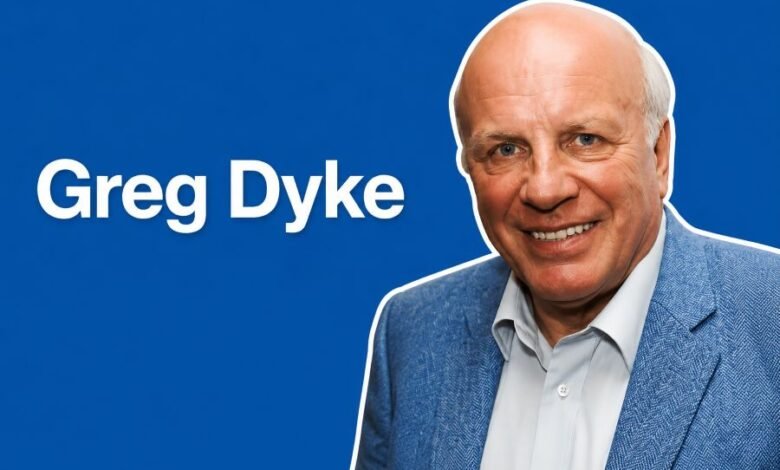
Table of Contents
ToggleIntroduction
Greg Dyke is one of the most influential figures in British broadcasting history. Known for his direct leadership style and strong personality, he transformed several major media organizations during his long career. From local journalism to becoming Director-General of the BBC, Greg Dyke built a reputation as a fearless executive who modernized British television while also facing criticism and controversy.
His career combined both positive achievements and difficult public moments. As a British journalist and former chancellor of the University of York, Dyke helped shape digital television, football administration, and modern media culture in the United Kingdom. Even after leaving top broadcasting roles, he remained an important voice in discussions about media independence and public broadcasting.
Quick Bio
| Information | Details |
|---|---|
| Real Name | Gregory Dyke |
| Known As | Greg Dyke |
| Date of Birth | 20 May 1947 |
| Age | 78 Years Old |
| Birthplace | Hayes, Middlesex, England |
| Nationality | British |
| Profession | Journalist, Broadcaster, Media Executive |
| Education | University of York |
| Spouse | Susan Howes |
| Children | Four |
| Famous For | BBC Director-General |
| Net Worth | Estimated £8–12 Million |
Early Life and Family Background
Greg Dyke was born in Hayes, Middlesex, and grew up in West London in a lower middle-class family. He was the youngest of three brothers, and his father worked as an insurance salesman. His childhood was relatively modest, and his family background helped shape his straightforward personality and practical communication style later in life.
During his school years, Dyke attended Yeading Primary School and Hayes Grammar School. Academic success did not come easily to him, but he developed strong confidence and determination from an early age. Before entering journalism, he briefly worked as a trainee manager at Marks & Spencer, although he soon realized his passion belonged in the media industry.
Education and University Years
Greg Dyke later attended the University of York, where he studied politics as a mature student. His university experience played a major role in developing his understanding of political systems, communication, and public affairs. The university environment also introduced him to wider social and cultural debates that later influenced his broadcasting career.
Years later, Dyke maintained a strong relationship with the institution and eventually became Chancellor of the University of York. His appointment reflected his influence not only in media but also in British public life and education.
Start of Journalism Career
Greg Dyke began his journalism career as a trainee reporter at the Hillingdon Mirror during the 1960s. His energy and reporting ability helped him rise quickly, and he became chief reporter within a short period. He later worked for the Slough Evening Mail before moving into television broadcasting.
His early reporting career taught him how to connect with ordinary audiences. Unlike many traditional broadcasters, Dyke preferred simple and direct communication. This style later became one of the defining characteristics of his leadership in British television.
Rise in British Television
Dyke’s major breakthrough came when he joined London Weekend Television. He worked alongside respected television executives and gained experience in political programming and television production. Over time, he developed a reputation for understanding public taste better than many traditional broadcasters.
In 1983, he joined TV-am as Editor-in-Chief. At that time, the breakfast television network was struggling badly with ratings and financial losses. Dyke helped redesign the programming style by making it more relaxed, entertaining, and audience-friendly. His strategy succeeded, and TV-am quickly became more popular with viewers.
Leadership at BBC
In 2000, Greg Dyke became Director-General of the BBC. His appointment attracted major attention because he came from a commercial television background rather than traditional BBC management. Many people believed his leadership would modernize the organization and improve efficiency.
During his BBC years, Dyke reduced administrative spending, expanded digital television services, and helped support the growth of Freeview. Employees appreciated his honest communication style and willingness to challenge bureaucracy. However, his leadership also faced criticism during the Iraq War controversy and the Hutton Inquiry, which eventually led to his resignation in 2004.
Career Beyond Broadcasting
After leaving the BBC, Greg Dyke continued working in several influential roles. He became chairman of Brentford Football Club and later served as Chairman of The Football Association from 2013 to 2016. During this period, he focused heavily on improving youth football development in England.
Dyke also became chairman of the British Film Institute and remained active in cultural and educational organizations. His work demonstrated that his influence extended far beyond television broadcasting alone.
Business Ventures and Companies
Throughout his career, Greg Dyke worked with several major companies and organizations. These included London Weekend Television, TV-am, Pearson Television, Channel 5, the BBC, Brentford FC, and The Football Association. His leadership positions helped him become one of Britain’s most recognized media executives.
His income mainly came from executive salaries, corporate leadership roles, football administration, consultancy work, and public speaking engagements. Over the years, he built considerable financial success through broadcasting and media management.
Personal Life and Family
Greg Dyke has been married twice. His current wife is Susan Howes, a former sociology teacher and probation officer. Together, they have four children. Despite his public career, Dyke generally kept much of his private family life away from media attention.
Friends and colleagues often describe him as direct, humorous, and highly passionate about football and broadcasting. His lifelong support for Brentford FC became an important part of his public identity.
Health Status and Public Image
There have been no major publicly confirmed illnesses connected to Greg Dyke. Even in later years, he continued appearing at conferences, interviews, and public discussions related to media and football governance.
Public opinion about Dyke has often been divided. Supporters admire his honesty, modernization efforts, and leadership skills, while critics sometimes viewed his management style as too aggressive or controversial. Nevertheless, few deny his influence on British broadcasting history.
Career Timeline
| Year | Career Event |
|---|---|
| 1960s | Started journalism career |
| 1977 | Joined London Weekend Television |
| 1983 | Became Editor-in-Chief of TV-am |
| 1990 | Became Chief Executive of LWT |
| 1997 | Chairman of Channel 5 |
| 2000 | Became BBC Director-General |
| 2004 | Resigned from BBC |
| 2006 | Chairman of Brentford FC |
| 2008 | Chairman of British Film Institute |
| 2013 | Chairman of The Football Association |
Legacy and Influence
Greg Dyke remains one of the most important figures in modern British broadcasting. His leadership changed breakfast television, strengthened digital broadcasting, and modernized the BBC during a period of technological change. Many broadcasting experts still credit him with helping make television more accessible to ordinary viewers.
His legacy also includes his influence on football administration and higher education. As a British journalist and former chancellor of the University of York, Greg Dyke demonstrated how media leadership can shape both public culture and national institutions.
Conclusion
Greg Dyke’s career represents both success and controversy in British public life. From local journalism to leading the BBC, he consistently challenged traditional systems and introduced bold ideas. His direct personality sometimes created criticism, but it also helped him achieve major reforms in television and football administration.
Today, Greg Dyke is remembered as a powerful media executive who transformed British broadcasting. His impact on television, journalism, football, and education continues to influence public discussions across the United Kingdom.
FAQ
Who is Greg Dyke?
He is a British journalist, broadcaster, and former BBC Director-General.
What is Greg Dyke famous for?
He is famous for leading the BBC and transforming British television broadcasting.
When was Greg Dyke born?
He was born on 20 May 1947.
Where was Greg Dyke born?
He was born in Hayes, Middlesex, England.
Who is Greg Dyke’s wife?
His current wife is Susan Howes.
How many children does Greg Dyke have?
He has four children.
What university did Greg Dyke attend?
He studied politics at the University of York.
What football organizations did Greg Dyke lead?
He served as chairman of Brentford FC and The Football Association.
What is Greg Dyke’s estimated net worth?
His estimated net worth is between £8 million and £12 million.
Why did Greg Dyke leave the BBC?
He resigned after the Hutton Inquiry controversy in 2004.