Harvey Vale Rising Footballer Excels Modern Game Journey Today
A bright future with strong potential and tough challenges in modern competitive football

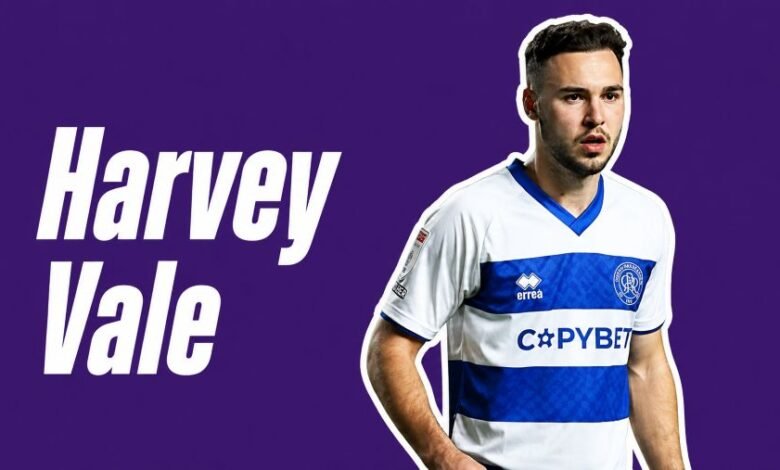
Table of Contents
ToggleIntroduction
Harvey Vale is a professional English Footballer known for his technical ability, versatility, and intelligent style of play. He has developed through one of the strongest academy systems in Europe and has gained experience in English football’s competitive leagues.
His journey reflects both positive progress and challenging moments, showing how modern young players must adapt quickly to professional demands. Harvey Vale continues to grow as a promising midfielder in the modern game.
Quick Bio
| Category | Details |
|---|---|
| Full Name | Harvey James Vale |
| Profession | Footballer |
| Date of Birth | 11 September 2003 |
| Age | 22 (2026) |
| Birthplace | Haywards Heath, England |
| Nationality | English / Eligible for Ireland |
| Position | Midfielder, Wing-back |
| Current Club | Queens Park Rangers |
| Preferred Foot | Left |
| Youth Clubs | Fulham, Chelsea |
Early Life and Background
Harvey Vale was born in Haywards Heath, West Sussex, England. From a young age, he showed strong interest in football and spent most of his childhood playing in local environments. His early exposure to football helped him develop strong technical control and game awareness.
He began his football journey at grassroots level before joining structured academy football. His natural talent and discipline made him stand out early, leading to opportunities in professional youth systems.
Youth Career Development
Harvey Vale joined Fulham’s academy, where he began developing his technical foundation. Coaches quickly noticed his ability to read the game and adapt to different positions on the field.
In 2016, he moved to Chelsea’s academy, which played a major role in shaping his professional identity. At Chelsea, he trained at elite level and improved his passing, positioning, and versatility as a modern Footballer.
Professional Career Overview
Chelsea Career
Harvey Vale made his senior debut for Chelsea in December 2021 during an EFL Cup match against Brentford. This was a major milestone in his career, marking his entry into top-level football.
Although he had limited appearances due to strong competition, his time at Chelsea helped him gain valuable experience in a high-performance environment. He also won the Chelsea Academy Player of the Season award.
Hull City Loan Spell
Harvey Vale joined Hull City on loan to gain first-team experience in the Championship. This move was intended to help him develop physical strength and match experience.
However, his time at Hull City was limited in terms of playing minutes. Despite this, the experience helped him understand the demands of senior professional football.
Bristol Rovers Loan Spell
At Bristol Rovers, Harvey Vale gained more consistent playing time and showed his attacking potential. He became an important part of the team’s midfield structure.
During this period, he scored his first senior goal and improved his confidence as a Footballer. This loan spell is considered a key step in his development.
Queens Park Rangers Career
In 2025, Harvey Vale joined Queens Park Rangers on a permanent transfer. This move gave him more stability and regular first-team opportunities in the Championship.
At QPR, he has continued to develop as a creative midfielder. His role includes linking play, supporting attacks, and contributing in multiple positions across midfield and wide areas.
Playing Style (Footballer Profile)
Harvey Vale is a modern Footballer known for his technical control, movement, and flexibility. He can operate as an attacking midfielder, winger, or wing-back depending on tactical needs.
His strengths include passing accuracy, ball control, and intelligent positioning. He is comfortable under pressure and plays with a calm and creative approach in midfield areas.
International Career
Harvey Vale has represented England at various youth levels, including U15, U16, U17, U19, and U20. He was part of the England U19 team that won the UEFA European Championship in 2022.
Later, he became eligible to represent Ireland due to his family heritage. In 2026, he switched international allegiance and began his senior international journey with Ireland.
Career Timeline
| Year | Career Event |
|---|---|
| Early Years | Started playing grassroots football |
| Youth Stage | Joined Fulham Academy |
| 2016 | Joined Chelsea Academy |
| 2021 | Made Chelsea senior debut |
| 2022 | Won Chelsea Academy Player of the Year |
| 2022–2023 | Loan to Hull City |
| 2023–2024 | Loan to Bristol Rovers |
| 2025 | Joined Queens Park Rangers |
| 2026 | Began international career with Ireland |
Achievements
Harvey Vale has already achieved important milestones in his early career. His biggest success includes winning the UEFA European Under-19 Championship with England.
He has also been recognized at Chelsea academy level for his outstanding performances and leadership potential. These achievements highlight his progress as a developing Footballer.
Conclusion
Harvey Vale’s career shows a journey of steady growth, learning, and adaptation in professional football. He has moved through different levels of English football, gaining valuable experience at each stage.
His future remains promising as he continues to develop at Queens Park Rangers and at international level with Ireland. With consistency and performance, he has the potential to become a strong name in modern football.
FAQ
1. Who is Harvey Vale?
Harvey Vale is an English professional Footballer who plays as a midfielder and wing-back.
2. Where was Harvey Vale born?
He was born in Haywards Heath, West Sussex, England.
3. What is Harvey Vale’s age?
He is 22 years old as of 2026.
4. Which clubs has Harvey Vale played for?
He has played for Chelsea, Hull City, Bristol Rovers, and Queens Park Rangers.
5. What position does Harvey Vale play?
He mainly plays as a midfielder but can also play as a winger or wing-back.
6. Has Harvey Vale played international football?
Yes, he has represented England youth teams and later switched to Ireland at senior level.
7. What is Harvey Vale known for in football?
He is known for creativity, passing ability, and versatility as a modern Footballer.
8. What is Harvey Vale’s biggest achievement?
Winning the UEFA European Under-19 Championship with England in 2022.
9. Is Harvey Vale still developing his career?
Yes, he is actively developing his career at Queens Park Rangers and international level.