Harry Uzoka Biography: The Powerful Rise and Tragic Loss of a Promising Model
A Bright Fashion Star Whose Inspiring Journey Ended Too Soon

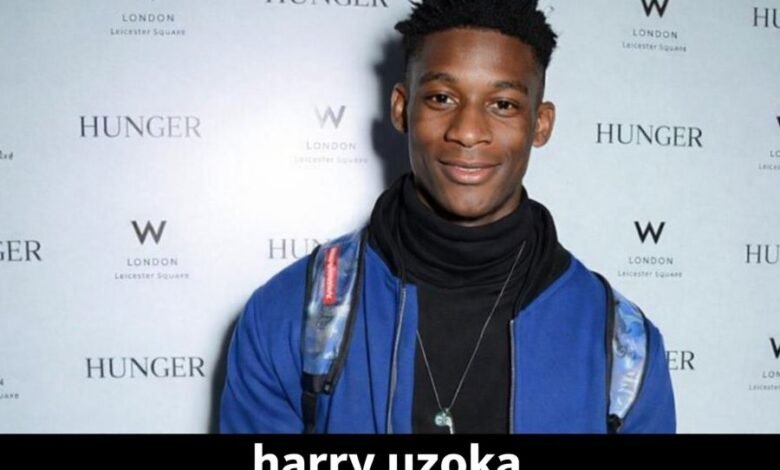
Harry Uzoka was a British fashion model whose name became known for both his growing success in the modelling world and the heartbreaking tragedy that ended his life. In the competitive fashion industry, he stood out as a talented and charismatic model with strong potential for global recognition.
Although his career was cut short, Harry Uzoka remains remembered as an inspiring figure whose presence left a lasting impact. His story carries both positive lessons of ambition and negative reminders of how fragile life can be.
Table of Contents
ToggleIntroduction
Harry Uzoka was more than just a model—he was a rising star in the fashion industry who represented hope, talent, and determination. His journey from East London to working with major fashion brands showed his dedication and ability to succeed in a demanding field.
At the same time, his life ended in a tragic way that shocked the fashion community and brought attention to the darker realities that can exist even within glamorous industries.
Quick Bio
| Detail | Information |
|---|---|
| Full Name | Harry Uzoka |
| Nationality | British |
| Ethnicity | Nigerian descent |
| Profession | Fashion Model |
| Age at Death | 25 years old |
| Raised In | East London, United Kingdom |
| Known For | Fashion campaigns and editorial modelling |
| Date of Death | 11 January 2018 |
Early Life and Background
Harry Uzoka was raised in East London, where he grew up in a community that shaped his identity and ambitions. Coming from a family of Nigerian descent, he carried cultural roots that influenced his sense of pride and individuality.
His early life was grounded in everyday London experiences, far from the runways and fashion campaigns he would later become part of. This contrast made his rise into modelling even more remarkable.
Harry Uzoka’s Start in Modelling Career
Harry’s modelling career began when he was discovered at the age of 17. He was scouted while accompanying his brother to a modelling agency, an unexpected moment that would change his life direction.
From that point forward, Harry entered the professional modelling world with determination. His early success reflected not only his physical presence but also his strong work ethic and ability to connect with creative teams.
Professional Success as a Fashion Model
Agency Representation
Harry Uzoka was represented by Premier Model Management in London, one of the most respected agencies in the fashion industry. This representation helped him access opportunities in both commercial and editorial modelling.
Being signed to such an agency highlighted his potential and placed him among other high-profile models working internationally.
Notable Campaigns and Brand Work
Harry quickly began working with major brands, including Nike, which was one of his earliest major bookings. His career expanded as he appeared in campaigns for well-known fashion and lifestyle companies.
He also worked with brands such as Zara, ASOS, Pull & Bear, and Mercedes-Benz, proving his versatility in both streetwear and high-fashion spaces.
Editorial Features and Industry Recognition
Harry Uzoka’s modelling presence extended beyond campaigns into editorial fashion media. He was featured in British GQ, one of the most respected publications in men’s fashion and culture.
Such appearances reflected his growing reputation as a model with strong potential. He was admired not only for his look but also for the energy and personality he brought to his work.
Personality and Personal Life
Within the fashion community, Harry was remembered as kind, supportive, and full of ambition. Colleagues and friends described him as someone who uplifted others, making him respected beyond his professional work.
He was also known publicly through his relationship with fellow model Leomie Anderson, which connected him further to the fashion world’s inner circles.
The Tragic Death of Harry Uzoka
On 11 January 2018, Harry Uzoka was stabbed to death outside his home in London. He was only 25 years old, and the news sent shockwaves through the fashion industry.
The tragedy highlighted a painful contrast: while Harry’s career was reaching new heights, his life ended in a sudden and violent way, leaving many people heartbroken.
Court Case and Public Attention
Following investigations, model George Koh was convicted of Harry Uzoka’s murder and was sentenced to life imprisonment with a minimum of 25 years. The case gained significant media attention across the United Kingdom.
The outcome of the trial brought some measure of justice, but it could not undo the loss of a young man whose future held so much promise.
Legacy of Harry Uzoka
Harry Uzoka’s legacy lives on through the work he left behind and the memories shared by those who knew him. He remains an important figure in conversations about representation and opportunity for Black British models in fashion.
His story is both inspiring and heartbreaking—a reminder of how talent and ambition can shine brightly, even when life is unfairly shortened.
Conclusion
Harry Uzoka was a rising model whose journey represented success, ambition, and hope. From East London to international fashion campaigns, his career showed the power of dedication and opportunity.
At the same time, his tragic death remains a painful reminder of how fragile life can be. His legacy continues through the impact he made in fashion and the inspiration he provided to many.
Frequently Asked Questions (FAQ)
Who was Harry Uzoka?
Harry Uzoka was a British fashion model of Nigerian descent known for working with major brands and appearing in British GQ.
What was Harry Uzoka known for?
He was recognized as a rising model who worked with brands such as Nike, Zara, and ASOS.
How old was Harry Uzoka when he died?
He was 25 years old at the time of his death.
Where was Harry Uzoka raised?
He was raised in East London, United Kingdom.
What is Harry Uzoka’s legacy?
He is remembered as a talented model whose career showed great promise and whose life inspired many within the fashion industry.