Richard Dearlove: The Powerful Architect of British Intelligence — A Legacy of Influence and Controversy
From MI6 Leadership to Academic Excellence at Pembroke College, Cambridge

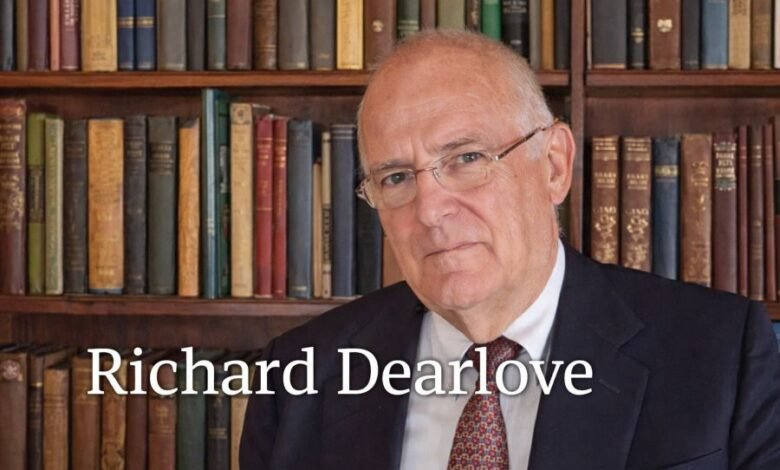
Table of Contents
ToggleIntroduction
Richard Dearlove stands as one of the most powerful yet debated figures in modern British intelligence history. As the former Chief of MI6, he played a central role during some of the most defining global events, including the War on Terror and the Iraq conflict. His leadership demonstrated both strategic brilliance and the challenges of intelligence-based decision-making.
Beyond intelligence, he also served as the former head of Pembroke College, Cambridge, showing his transition from secret operations to academic leadership. This dual career reflects both the strength and complexity of his legacy—praised for expertise, yet questioned for controversial decisions.
Quick Bio
| Field | Details |
|---|---|
| Full Name | Sir Richard Billing Dearlove |
| Date of Birth | 23 January 1945 |
| Age | 81 years (as of 2026) |
| Birthplace | Cornwall, England |
| Nationality | British |
| Profession | Intelligence Officer |
| Famous For | Chief of MI6 (1999–2004) |
| Education | Queens’ College, Cambridge |
| Notable Role | Former head of Pembroke College, Cambridge |
Early Life and Background
Richard Dearlove was born in Cornwall, England, a region known for its coastal beauty and quiet lifestyle. Growing up in a disciplined environment, he was influenced by his father, who was an Olympic athlete. This early exposure to excellence helped shape his mindset toward achievement and dedication.
From a young age, he showed strong academic ability and curiosity about global affairs. His upbringing laid the foundation for a career that would eventually place him at the center of international intelligence operations.
Education and Academic Journey
Dearlove’s education played a crucial role in shaping his future. He attended reputable institutions in both the United Kingdom and the United States, gaining a broad and international perspective. This exposure allowed him to understand global cultures and political dynamics at an early stage.
He later studied at Queens’ College, Cambridge, where he focused on history. His academic background helped him develop analytical thinking, which became essential in intelligence work. Years later, his return to academia as the former head of Pembroke College, Cambridge marked a full-circle moment in his life.
Start of Career in Intelligence
Richard Dearlove began his career in 1966 when he joined MI6, the United Kingdom’s foreign intelligence service. At a young age, he entered a world of secrecy, strategy, and global operations. His early assignments took him to various international locations, where he gained practical experience in intelligence gathering.
During the Cold War period, his work involved monitoring political developments and maintaining national security interests. These early experiences helped him build a strong reputation within MI6 and prepared him for higher responsibilities.
Rise to Leadership in MI6
Dearlove’s career progression within MI6 was steady and impressive. Over the years, he took on several key roles that increased his influence within the organization. His ability to handle complex operations and make strategic decisions set him apart from others.
In 1999, he reached the peak of his career when he became the Chief of MI6, also known as “C.” This position placed him at the center of global intelligence operations, making him one of the most powerful figures in British security.
Leadership During Global Crises
As Chief of MI6, Dearlove led the organization during some of the most critical moments in modern history. The September 11 attacks in 2001 reshaped global security priorities, and MI6 played a key role in responding to emerging threats.
He was also involved in intelligence activities related to the Afghanistan War and the Iraq War. These events required quick decision-making and close cooperation with international allies, especially the United States. His leadership during this time demonstrated both strength and the immense pressure faced by intelligence officials.
Career Statistics
| Category | Details |
|---|---|
| Years in MI6 | Nearly 40 years |
| Chief of MI6 | 1999–2004 |
| Countries Served | Multiple international postings |
| Major Events | 9/11, Afghanistan War, Iraq War |
| Academic Role | Former head of Pembroke College, Cambridge |
Transition to Academic Leadership
After retiring from MI6 in 2004, Dearlove moved into academia. He became the Master of Pembroke College, Cambridge, where he served for over a decade. This role allowed him to contribute to education and leadership development.
His academic career highlighted a different side of his personality—one focused on mentorship, knowledge sharing, and intellectual growth. It also reinforced his reputation as a leader capable of operating in both secret intelligence and public academic environments.
Business and Advisory Roles
In addition to academia, Dearlove also took on advisory roles in the corporate world. His expertise in global security and intelligence made him valuable to organizations dealing with risk management and international strategy.
These roles allowed him to remain active in global affairs while sharing his experience with businesses and institutions. His involvement in these areas reflects the broader impact of intelligence professionals beyond government service.
Controversies and Criticism
Despite his achievements, Dearlove’s career has not been without controversy. Intelligence assessments during his leadership, particularly related to Iraq, were later questioned. This raised concerns about the reliability of intelligence used in political decisions.
These criticisms highlight the complex nature of intelligence work, where decisions are often made with limited or uncertain information. While some view his actions as necessary, others see them as flawed, making his legacy both powerful and debated.
Legacy and Impact
Richard Dearlove’s legacy is a combination of success and controversy. On one hand, he strengthened the role of MI6 during a critical period in global history. On the other hand, his involvement in disputed intelligence decisions continues to be discussed.
His transition from intelligence to academia and advisory roles shows his versatility and long-lasting influence. He remains a key figure in understanding how intelligence shapes global politics and security.
Conclusion
Richard Dearlove’s journey from a young intelligence officer to the Chief of MI6 and later the former head of Pembroke College, Cambridge reflects a life of influence, complexity, and responsibility. His career demonstrates both the power of intelligence leadership and the challenges that come with it.
While his achievements are significant, the controversies surrounding his tenure remind us of the delicate balance between security and truth. His story continues to serve as an important case study in modern intelligence and leadership.
FAQs
1. Who is Richard Dearlove?
Richard Dearlove is a British intelligence officer who served as the Chief of MI6 from 1999 to 2004.
2. What is Richard Dearlove famous for?
He is known for leading MI6 during major global events such as the War on Terror and the Iraq War.
3. What role did he have at Cambridge?
He served as the former head of Pembroke College, Cambridge.
4. When did Richard Dearlove join MI6?
He joined MI6 in 1966 and served for nearly four decades.
5. Why is Richard Dearlove controversial?
He is associated with intelligence assessments related to the Iraq War that were later questioned.