Mark Littlewood Politician Journey Shaping Britain’s Bold Economic Debates
Influential Free-Market Thinker Behind Controversial Modern British Political Policies

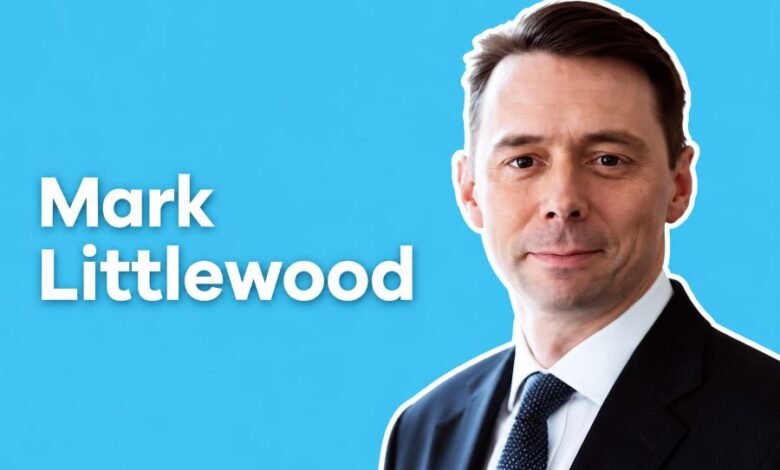
Table of Contents
ToggleIntroduction
Mark Littlewood is widely recognized as one of the most influential political commentators and free-market advocates in modern British politics. Over the years, he has built a reputation for defending economic freedom, criticizing excessive government control, and shaping debates surrounding taxation, Brexit, and deregulation. His outspoken personality and strong opinions have made him both respected and controversial in political circles.
Unlike traditional politicians who gain fame through elections, Mark Littlewood became influential through think tanks, media appearances, and policy advocacy. His leadership at the Institute of Economic Affairs helped transform the organization into a powerful voice in British economic and political discussions. Supporters view him as a fearless defender of liberty, while critics believe his policies strongly favor deregulation and corporate interests. Regardless of political opinions, his impact on British public policy remains significant.
Quick Bio
| Detail | Information |
|---|---|
| Full Name | Mark James Littlewood |
| Popular Name | Mark Littlewood |
| Date of Birth | 28 April 1972 |
| Age | 54 Years Old |
| Nationality | British |
| Profession | Political Commentator, Economist, Media Strategist |
| Famous For | Former Director General of IEA |
| Education | Balliol College, Oxford |
| Political Ideology | Libertarian and Free-Market Conservative |
| Current Association | Popular Conservatism (PopCon) |
| Birthplace | England, United Kingdom |
Early Life and Educational Background
Mark Littlewood was born in England and spent much of his early life in Berkshire. From a young age, he showed a deep interest in politics, economics, and public affairs. His academic abilities and communication skills helped him stand out during his school years, especially in debates and political discussions.
He attended The Forest School in Winnersh before studying Philosophy, Politics, and Economics at Balliol College, Oxford. The PPE program at Oxford is considered one of the most respected political and economic courses in the United Kingdom. During university, Littlewood became increasingly interested in liberal politics, economic reform, and European affairs. His education played a major role in shaping his future career as a political strategist and policy advocate.
The Beginning of His Political Career
Mark Littlewood began his professional journey by working for the European Movement, an organization that supported closer European cooperation. At this stage of his career, he was strongly associated with liberal and pro-European ideas. His early political work focused on policy communication and campaigning.
He later joined Liberty, one of Britain’s leading civil rights organizations, where he served as Campaigns Director between 2001 and 2004. During this period, he worked on issues involving civil liberties, human rights, and government surveillance. His role at Liberty gave him national visibility and established him as an effective political communicator.
Rise Through the NO2ID Campaign
One of the major turning points in Mark Littlewood’s career came when he became involved with the NO2ID campaign. The movement opposed national identity cards and large government databases in the United Kingdom. Littlewood became one of the campaign’s most recognizable public spokespeople.
The campaign gained significant media attention because it challenged government surveillance and concerns over personal privacy. His strong arguments and confident speaking style helped him become a familiar face on British television and radio programs. This period greatly increased his influence in political and media circles.
Role in the Liberal Democrats
In 2004, Mark Littlewood joined the Liberal Democrats as Head of Media. His responsibilities included handling media relations, political messaging, and communication strategies. He quickly became known for his sharp political analysis and ability to manage difficult public debates.
However, his time with the Liberal Democrats ended in controversy. In 2007, he resigned following disagreements related to coalition politics and electoral reform discussions. Although the departure attracted criticism, it also marked the beginning of his transition toward stronger free-market and libertarian political views.
Leadership at the Institute of Economic Affairs
The most important chapter of Mark Littlewood’s career began in 2009 when he became Director General of the Institute of Economic Affairs. The IEA is one of the United Kingdom’s best-known free-market think tanks and has long influenced economic policy discussions.
Under Littlewood’s leadership, the organization expanded its media presence and political influence. He frequently appeared on national television programs discussing taxation, government spending, Brexit, and economic regulation. His direct communication style made him one of the most recognizable political commentators in Britain.
Supporters praised him for defending free enterprise and challenging government control. Critics, however, accused the IEA of promoting policies that mainly benefited wealthy corporations and private interests. Despite these debates, Littlewood successfully transformed the organization into a highly influential political institution.
Mark Littlewood’s Political Ideology
Mark Littlewood is closely associated with libertarian and classical liberal political beliefs. He strongly supports lower taxation, reduced government intervention, deregulation, and free-market economics. Over time, his political views shifted from pro-European liberalism toward Brexit-supporting conservatism.
He became a supporter of the Brexit movement because he believed Britain should have greater economic independence and reduced European Union influence. His political ideology has made him popular among conservative economic reformers and free-market supporters across the United Kingdom.
Career Timeline
| Year | Career Milestone |
|---|---|
| 1990–1993 | Studied PPE at Oxford University |
| 1996 | Became President of Young European Federalists UK |
| Early 2000s | Worked for European Movement |
| 2001–2004 | Campaigns Director at Liberty |
| 2004 | Joined NO2ID campaign |
| 2004 | Appointed Head of Media for Liberal Democrats |
| 2007 | Left Liberal Democrats |
| 2008–2009 | Directed Liberal Vision |
| 2009 | Became Director General of IEA |
| 2016 | Supported Brexit campaign |
| 2023 | Stepped down from IEA leadership |
| 2024–2026 | Associated with Popular Conservatism |
Media Influence and Public Recognition
Mark Littlewood became one of the most active political commentators in Britain through television debates and radio discussions. His appearances on programs like BBC Question Time and Sky News helped increase his public recognition.
He developed a reputation for delivering strong arguments with confidence and clarity. While many people admired his intelligence and communication skills, others criticized his aggressive defense of free-market policies. This mixture of praise and criticism made him a highly talked-about figure in British political discussions.
Personal Life and Public Image
Unlike many public figures, Mark Littlewood keeps most of his personal life private. He rarely discusses family matters or relationships publicly. Instead, he prefers focusing on political debates, economic policies, and public commentary.
His public image is strongly connected to policy advocacy and political communication rather than celebrity culture. Even critics acknowledge that he has played an important role in shaping economic conversations in modern Britain.
Recent Political Activities
After leaving the Institute of Economic Affairs, Littlewood remained active in British politics through Popular Conservatism, often called PopCon. The movement promotes lower taxes, economic growth, and conservative political reforms.
He continues to participate in political debates involving government spending, economic reform, and the future direction of the Conservative Party. His opinions still attract attention from both supporters and critics across the political spectrum.
Conclusion
Mark Littlewood’s journey from political activist to influential policy strategist reflects the growing power of think tanks and media influence in modern politics. Through organizations like Liberty, NO2ID, and the Institute of Economic Affairs, he became one of Britain’s most recognizable advocates for free-market economics and limited government.
Although his ideas remain controversial, his influence on British political debate cannot be ignored. Supporters see him as a defender of liberty and economic freedom, while opponents believe his policies favor deregulation too strongly. Regardless of perspective, Mark Littlewood remains a major figure in Britain’s political and economic landscape.
Frequently Asked Questions (FAQ)
Who is Mark Littlewood?
Mark Littlewood is a British political commentator, economist, and former Director General of the Institute of Economic Affairs.
What is Mark Littlewood famous for?
He is famous for promoting free-market economics, libertarian policies, and political commentary in the United Kingdom.
When was Mark Littlewood born?
He was born on 28 April 1972.
What is Mark Littlewood’s nationality?
He is British.
Where did Mark Littlewood study?
He studied Philosophy, Politics, and Economics at Balliol College, Oxford.
What political ideology does Mark Littlewood support?
He supports libertarian, classical liberal, and free-market conservative ideas.
Was Mark Littlewood involved in Brexit debates?
Yes, he publicly supported the Brexit campaign and argued for greater British economic independence.
What organization did Mark Littlewood lead?
He served as Director General of the Institute of Economic Affairs from 2009 until 2023.
Is Mark Littlewood a politician?
He is better known as a political commentator and policy strategist rather than an elected politician.
What is Mark Littlewood doing now?
He remains active in political discussions and is associated with Popular Conservatism (PopCon).