Alan Bleasdale: The Powerful Story of a Brilliant English Screenwriter Who Showed Britain’s Hope and Hardship
A complete, human-written biography of Alan Bleasdale, his early life, career, major works, family, influence, and lasting legacy in British television drama.

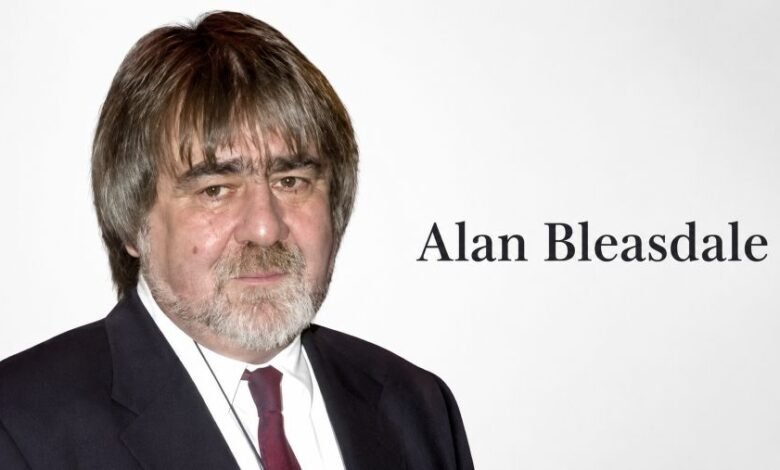
Introduction
Alan Bleasdale is one of the most respected names in British television writing. As an English screenwriter, playwright, novelist, and dramatist, he became known for telling stories about ordinary people with honesty, emotion, humor, and social awareness. His writing did not simply entertain audiences; it made them think about poverty, unemployment, politics, family pressure, and the dignity of working-class life.
Alan Bleasdale is best known for Boys from the Blackstuff, a landmark British television drama that captured the pain and frustration of unemployment in the early 1980s. His work is powerful because it shows both the positive strength of human resilience and the negative effects of social injustice. Through his characters, he gave a voice to people who were often ignored by mainstream television.
Quick Bio
| Field | Details |
|---|---|
| Real Name | Alan George Bleasdale |
| Professional Name | Alan Bleasdale |
| Date of Birth | 23 March 1946 |
| Age | 80 years old as of 2026 |
| Birthplace | Liverpool, England |
| Nationality | British / English |
| Profession | English screenwriter, playwright, novelist, producer |
| Known For | Boys from the Blackstuff, G.B.H., Scully |
| Father | George Bleasdale |
| Mother | Margaret Bleasdale |
| Spouse | Julie Moses |
| Children | Timothy, Jamie, and Tamana |
| Education | Wade Deacon Grammar School, Padgate College of Education |
| Main Genre | Social realist drama |
| Active Field | Television, theatre, radio, novels, film |
Early Life of Alan Bleasdale
Alan Bleasdale was born in Liverpool, England, on 23 March 1946. He grew up in a working-class environment that later became one of the strongest influences on his writing. Liverpool was not just his birthplace; it became the emotional and cultural foundation of much of his creative work.
His early life helped him understand the struggles, humor, pride, and pain of ordinary people. This background gave Alan Bleasdale the ability to create realistic characters who felt alive on screen. His stories often reflected the pressures faced by families, workers, and communities during difficult economic and political times.
Family Background
Alan Bleasdale was born to George Bleasdale and Margaret Bleasdale. His father, George, worked as a foreman, while his mother, Margaret, worked as a shop assistant. He was raised as an only child, which is one of the few clearly available details about his siblings.
His family background matters because it connects directly to the world he later wrote about. Alan Bleasdale did not write about working-class life from a distance. He understood its language, emotions, humor, worries, and pride from personal experience.
Education and Teaching Career
Alan Bleasdale attended St. Aloysius Roman Catholic schools and later studied at Wade Deacon Grammar School. He then trained as a teacher at Padgate College of Education, where he gained a teaching certificate in 1967. This education gave him a professional path before his writing career became fully established.
Before becoming widely known as an English screenwriter, Alan Bleasdale worked as a teacher. He taught in schools in the Liverpool area and also spent time teaching abroad in the Gilbert and Ellice Islands, now known as Kiribati and Tuvalu. His teaching years helped him observe people closely, a skill that became very important in his writing.
Start of Writing Career
Alan Bleasdale began writing while he was still working as a teacher. His early writing included radio work, especially for BBC Radio Merseyside. These early opportunities allowed him to develop his voice and build characters rooted in Liverpool life.
One of his important early creations was Scully, a young Liverpool character who appeared in radio, stage, television, and fiction. Scully helped introduce Alan Bleasdale’s style: sharp, funny, emotional, and strongly connected to working-class youth culture.
Career Breakthrough
The major breakthrough for Alan Bleasdale came through The Black Stuff, a television play about Liverpool tarmac workers. The drama explored unemployment, masculinity, friendship, and despair. It became the foundation for his most famous work.
In 1982, Boys from the Blackstuff was broadcast and quickly became one of the most important British television dramas of its time. The series showed unemployed men trying to survive with dignity in a harsh economic climate. It was honest, painful, sometimes funny, and deeply human.
Boys from the Blackstuff
Boys from the Blackstuff remains the most famous work by Alan Bleasdale. The drama followed a group of working men from Liverpool after their employment collapsed. It showed how joblessness affected their confidence, families, friendships, and mental health.
The character Yosser Hughes became especially iconic. His desperate phrase “Gizza job” became a powerful cultural symbol of unemployment in Britain. Through this series, Alan Bleasdale proved that television drama could be both artistically excellent and socially important.
Alan Bleasdale as an English Screenwriter
Alan Bleasdale earned recognition as an English screenwriter because he brought depth, realism, and moral force to television drama. His scripts were not built around glamour or fantasy. They focused on people facing real pressure in real communities.
His writing style combined social realism with dark humor and emotional intensity. He understood that people can laugh even in hard times, and that tragedy often exists beside comedy. This balance made Alan Bleasdale’s work memorable, believable, and emotionally powerful.
Writing Themes
The most common themes in his work include unemployment, poverty, class struggle, politics, Liverpool identity, family breakdown, masculinity, survival, and social injustice. These subjects gave his dramas a serious purpose while still making them engaging for audiences.
Alan Bleasdale did not present working-class people as simple victims. He showed their intelligence, anger, kindness, humor, weakness, and courage. This human balance is one reason his work continues to be studied and respected.
Major Works and Career Timeline
Alan Bleasdale’s career includes work across television, radio, theatre, novels, and film. His writing career developed over several decades, and his strongest reputation remains connected to British television drama.
| Year | Work | Type |
|---|---|---|
| 1970s | Scully | Radio, stage, fiction, television character |
| 1980 | The Black Stuff | Television play |
| 1982 | Boys from the Blackstuff | Television drama series |
| 1985 | No Surrender | Feature film |
| 1986 | The Monocled Mutineer | Television miniseries |
| 1991 | G.B.H. | Political television drama |
| 1995 | Jake’s Progress | Television drama |
| 1997 | Melissa | Television thriller |
| 1999 | Oliver Twist | Television adaptation |
| 2011 | The Sinking of the Laconia | Television drama |
G.B.H. and Political Drama
After the success of Boys from the Blackstuff, Alan Bleasdale continued to write ambitious dramas. One of his most important later works was G.B.H., a political drama that explored power, corruption, public life, personal pressure, and moral conflict.
G.B.H. showed that Alan Bleasdale could move beyond unemployment drama while still examining society with sharp intelligence. It confirmed his reputation as a writer who could handle complex characters and difficult political themes.
Career Overview
Alan Bleasdale’s career is important because he helped change what British television drama could do. He showed that stories about workers, teachers, families, councils, and struggling communities could be as dramatic and meaningful as stories about wealthy or powerful people.
As an English screenwriter, he brought regional identity to national attention. Liverpool voices, humor, rhythms, and struggles became central to his work. His dramas helped audiences across Britain see the human cost behind political and economic decisions.
Awards and Recognition
Alan Bleasdale received major recognition for his writing, especially for Boys from the Blackstuff. His work has been associated with major British television honors, including BAFTA recognition and praise from television critics and cultural institutions.
The continuing revival and discussion of his work show that his impact did not fade after the original broadcasts. When a drama remains relevant decades later, it proves that the writer captured something deeper than a temporary issue.
Personal Life
Alan Bleasdale married Julie Moses on 28 December 1970. They have three children: Timothy, Jamie, and Tamana. Publicly available information about his private family life is limited, and he has generally been known more for his writing than for public celebrity.
This privacy has helped keep the focus on his work. Unlike many public figures, Alan Bleasdale’s reputation is built mainly on achievement, writing quality, cultural influence, and the emotional force of his dramas.
Source of Income
Alan Bleasdale’s source of income has mainly come from writing and creative production. His work includes television scripts, stage writing, novels, film writing, adaptation work, and producing credits.
There is no reliable public salary figure or verified net worth available, so those details should not be stated as fact. What is clear is that his professional life has been centered on storytelling, drama, and writing for major British media platforms.
Recent Attention and Continued Relevance
In recent years, Alan Bleasdale has received renewed attention because of the stage revival of Boys from the Blackstuff. The adaptation introduced his work to new audiences while reminding older viewers of the original drama’s force.
The continued interest in Boys from the Blackstuff shows that the themes of insecure work, poverty, pride, and social pressure are still meaningful. Alan Bleasdale’s writing remains relevant because the problems he explored have not disappeared from society.
Why His Work Still Matters
He matters because he wrote about people who are often pushed to the edge of public conversation. His characters are not perfect, but they are deeply human. They struggle, fail, love, fight, joke, and survive.
His writing also matters to modern creators. Many later British dramatists have followed the path opened by writers like Alan Bleasdale, using television drama to explore social problems through strong characters and emotional storytelling.
Legacy of Alan Bleasdale
Alan Bleasdale’s legacy is built on truth, courage, and compassion. He gave British television some of its most unforgettable working-class characters and helped prove that regional stories could speak to national audiences.
His greatest legacy remains Boys from the Blackstuff, but his wider career also shows his range as an English screenwriter, playwright, novelist, and dramatist. Alan Bleasdale helped shape modern British social realist drama and remains an important figure in television history.
Conclusion
He is a powerful example of a writer who used drama to reveal real life. From his Liverpool childhood to his teaching career and later success as an English screenwriter, his journey reflects discipline, observation, and a deep understanding of people.
His work contains both positive and negative truths: the positive strength of community, humor, and survival, and the negative damage caused by unemployment, poverty, and political failure. Alan Bleasdale’s writing continues to matter because it speaks clearly to both the heart and the mind.
Useful FAQ
Who is Alan Bleasdale?
Alan Bleasdale is a British and English screenwriter, playwright, novelist, and producer. He is best known for writing Boys from the Blackstuff, one of the most important British television dramas of the 1980s.
What is Alan Bleasdale famous for?
He is most famous for Boys from the Blackstuff. The drama explored unemployment and working-class life in Liverpool and became a major cultural landmark in British television.
What is Alan Bleasdale’s real name?
His real name is Alan George Bleasdale. Professionally, he is known as Alan Bleasdale.
When was Alan Bleasdale born?
He was born on 23 March 1946 in Liverpool, England.
What is Alan Bleasdale’s nationality?
He is British and English. He was born in Liverpool, England.
Is Alan Bleasdale an English screenwriter?
Yes. Alan Bleasdale is an English screenwriter known for television dramas, stage work, radio writing, novels, and adaptations.
What are Alan Bleasdale’s major works?
His major works include The Black Stuff, Boys from the Blackstuff, G.B.H., The Monocled Mutineer, Jake’s Progress, Melissa, Oliver Twist, and The Sinking of the Laconia.
Who is Alan Bleasdale’s wife?
He married Julie Moses on 28 December 1970.
Does Alan Bleasdale have children?
Yes. Alan Bleasdale has three children: Timothy, Jamie, and Tamana.
Why is Alan Bleasdale important?
He is important because he helped transform British television drama. His work gave serious attention to working-class life, unemployment, politics, and social injustice while remaining deeply human and emotionally powerful.