Barry Hines Powerful Legacy Author and Playwright
Celebrating the Life and Works of a Northern England Literary Icon

Introduction
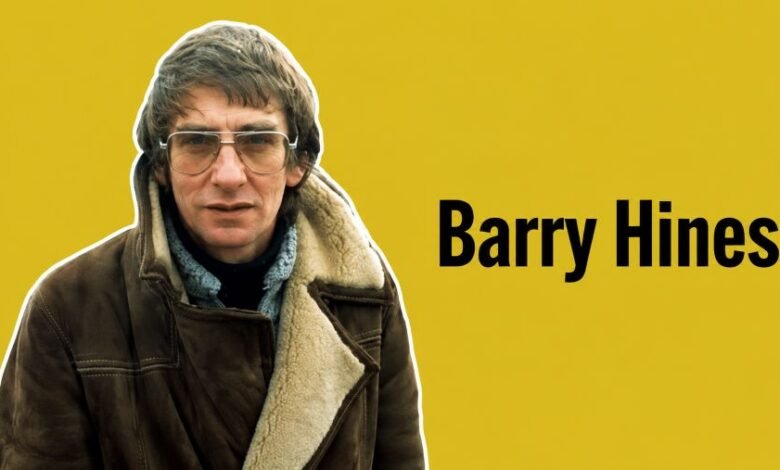
Barry Hines was an iconic author and playwright whose work captured the soul of working-class Northern England. His stories, rooted in the mining communities of Yorkshire, explored human struggles, ambition, and resilience. Through novels, plays, and screenplays, Hines gave a voice to the often-overlooked everyday lives of ordinary people. Despite personal challenges and societal changes, his legacy continues to resonate in literature and film, proving that authentic storytelling transcends generations. His realism was both praised and critiqued, reflecting the complex lives he portrayed.
Quick Bio
| Field | Information |
|---|---|
| Full Name | Melvin Barry Hines |
| Date of Birth | 30 June 1939 |
| Birthplace | Hoyland Common, near Barnsley, Yorkshire, England |
| Nationality | English |
| Profession | Author and playwright |
| Notable Works | A Kestrel for a Knave, Kes, Threads |
| Spouse | Margaret Croft, Eleanor Mulvey |
| Children | Two from first marriage |
| Health Status | Diagnosed with Alzheimer’s disease |
| Death | 18 March 2016 (aged 76) |
Early Life and Education
Barry Hines was born into a mining family in Hoyland Common, near Barnsley. The early loss of his grandfather in a mining accident instilled in him an acute awareness of working-class struggles. As a child, he excelled in school and sports, particularly football, eventually representing England Grammar Schools.
His initial career path followed the family tradition, working briefly as a mining surveyor. However, his creative talent could not be contained. Encouraged to pursue education, Hines trained at Loughborough College, earning a teaching qualification. His school years and Yorkshire upbringing greatly influenced the authenticity of his later works.
Literary Career Beginnings
Hines began his career as a Physical Education teacher, teaching in London and later in South Yorkshire. During this time, he wrote in the school library, shaping his first novel The Blinder (1966). His writing often reflected the tension between youthful dreams and harsh societal realities, a theme that would recur throughout his career.
The early success of The Blinder established him as a promising voice. Critics recognized Hines for capturing the unique dialect, struggles, and resilience of Northern England communities, something few writers had achieved with such nuance.
Rise to Fame: A Kestrel for a Knave and Kes
In 1968, Hines published A Kestrel for a Knave, a novel that would define his legacy. The story of Billy Casper, a boy navigating a harsh educational system while nurturing a kestrel, resonated with readers and critics alike. It exposed social injustices while celebrating the human spirit.
The novel was adapted into the film Kes (1969), co-written with director Ken Loach. The film’s realism and emotional depth earned international acclaim. While praised for authenticity, some critics argued that its bleak depiction of working-class life was overly negative. Nonetheless, Kes cemented Hines as a leading author and playwright.
Other Significant Works
Hines continued to explore social realism through novels and screenplays. First Signs (1972) and The Gamekeeper (1975) reflected the challenges of rural and industrial life. Looks and Smiles (1981) depicted youth struggles in Northern England, while Unfinished Business (1983) explored adult aspirations and frustrations.
In television, Hines co-created Threads (1984), a harrowing portrayal of nuclear war effects on Sheffield. The film’s unflinching realism shocked audiences and critics, highlighting Hines’ ability to balance storytelling with societal commentary. Later works like The Heart of It (1994) and Elvis Over England (2000) continued his exploration of human resilience amidst societal pressures.
Style and Themes
Hines’ writing is marked by:
- Authenticity: Deeply rooted in Yorkshire life and speech.
- Social Realism: Explored class struggles, labor, and institutional challenges.
- Human Resilience: Despite bleak circumstances, characters display courage and hope.
- Youthful Perspective: Many works center on young protagonists navigating systemic barriers.
His narratives often mix positive inspiration with harsh realities, creating a balance between optimism and critique.
Film and Television Contributions
Hines’ collaboration with Ken Loach was pivotal:
- Kes (1969) – adaptation of A Kestrel for a Knave
- The Gamekeeper – film adaptation of his novel
- Looks and Smiles (1981) – youth-focused film
- The Price of Coal (1977) – TV drama depicting mining life
- Threads (1984) – acclaimed BBC drama on nuclear war
Through these works, Hines influenced British cinema, blending literary artistry with social commentary.
Career Timeline
| Year | Milestone |
|---|---|
| 1966 | The Blinder published |
| 1968 | A Kestrel for a Knave published |
| 1969 | Film Kes released |
| 1972 | Novel First Signs published |
| 1975 | Novel The Gamekeeper published |
| 1977 | TV drama The Price of Coal aired |
| 1981 | Novel/Film Looks and Smiles released |
| 1983 | Novel Unfinished Business published |
| 1984 | TV drama Threads aired |
| 1994 | Novel The Heart of It published |
| 2000 | Novel Elvis Over England published |
| 2009 | Short story collection This Artistic Life published |
Personal Life
Barry Hines married Margaret Croft, with whom he had two children. Later, he married Eleanor Mulvey in 2004, remaining together until his death. He lived quietly in Yorkshire, maintaining a close connection to his community. His later years were affected by Alzheimer’s disease, which ultimately curtailed his writing.
Legacy
Barry Hines remains a cornerstone of British social realism. Kes and Threads are celebrated for their emotional depth and authenticity, influencing both literature and film. Hines’ portrayal of working-class life, youth, and human resilience continues to inspire writers, filmmakers, and educators. His commitment to truthfully representing regional life ensures that his works endure as cultural and educational touchstones.
Conclusion
Barry Hines’ life and work exemplify the power of storytelling rooted in authenticity. Through novels, plays, and screenplays, he highlighted social realities while celebrating human spirit. His legacy as an author and playwright continues to resonate, demonstrating the enduring relevance of Northern England’s voice in literature and film.
FAQ
Q1: When was Barry Hines born?
He was born on 30 June 1939.
Q2: Where was Barry Hines from?
He was from Hoyland Common, near Barnsley, Yorkshire.
Q3: What was his occupation?
He was an author and playwright.
Q4: How many children did he have?
He had two children.
Q5: Who was Barry Hines married to?
He was married to Margaret Croft and later Eleanor Mulvey.
Q6: What are his notable works?
His notable works include A Kestrel for a Knave, Kes, and Threads.
Q7: What themes did he explore in his work?
He explored social realism, class struggles, and human resilience.
Q8: When did he die?
He died on 18 March 2016 at age 76.
Q9: How is Barry Hines remembered today?
He is remembered as a powerful voice of Northern England life and culture.