Andre Marriner: The Commanding Referee Behind Football’s Biggest Moments
Authority, precision, and controversy — the powerful journey of an elite match official

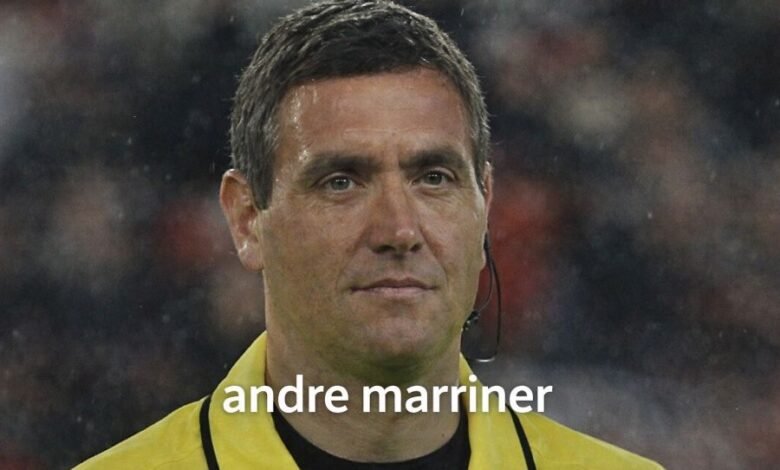
Table of Contents
ToggleIntroduction
Andre Marriner stands as one of the most recognizable figures in modern English football officiating. Known for his calm authority and consistent decision-making, he built a reputation as a referee trusted with some of the biggest matches in domestic football. His career reflects both the pressures and prestige that come with officiating at the highest level of the sport.
As an English retired association football referee, Marriner’s journey highlights how dedication and professionalism can shape a long and respected career. From local leagues to major finals, his path shows the evolution of a referee who became a familiar presence in the Premier League for nearly two decades.
Quick Bio
| Field | Details |
|---|---|
| Full Name | Andre Marriner |
| Date of Birth | 1 January 1971 |
| Age | 55 (as of 2026) |
| Birthplace | Birmingham, England |
| Nationality | English |
| Profession | Football Referee (Retired) |
| Active Years | 1992–2023 |
| Premier League Debut | 2004 |
| Major Highlight | FA Cup Final Referee 2013 |
Early Life and Background
Andre Marriner was born in Birmingham, a city with a strong football culture that shaped his early exposure to the sport. Growing up in the West Midlands, he developed an understanding of the game not as a player but through observation and involvement at the grassroots level. This environment helped build his appreciation for discipline and fairness on the pitch.
His refereeing career began in 1992 when he stepped in to officiate a local match. What started as a simple opportunity quickly turned into a long-term commitment, as he discovered a natural ability to manage games and make decisive calls. His progress through local leagues laid the foundation for a professional career.
Path to Professional Refereeing
Marriner advanced steadily through the English refereeing system, gaining experience in regional competitions before entering the professional pathway. By 2000, he became an assistant referee in the Football League, which exposed him to faster-paced and more competitive matches.
In 2003, he earned promotion to a full referee in the Football League. This step marked a significant turning point, as it positioned him among the officials capable of handling high-level fixtures. His consistent performances soon opened the door to the Premier League.
Premier League Career
Andre Marriner made his Premier League debut in November 2004, stepping onto the biggest domestic stage in English football. His calm demeanor and clear communication style quickly earned him regular appointments, allowing him to establish himself among the league’s top referees.
In 2005, he joined the Select Group of professional referees, a recognition reserved for officials trusted with the most demanding fixtures. Over the years, he officiated hundreds of matches, demonstrating remarkable consistency and endurance in one of the world’s most scrutinized leagues.
Major Matches and Milestones
One of the defining moments of Marriner’s career came in 2013 when he refereed the FA Cup Final at Wembley. Officiating such a prestigious match represented the highest domestic honor for an English referee and confirmed his status as a leading official.
He also took charge of other important fixtures, including a Championship play-off final and a League Cup Final. These appointments reflected the confidence football authorities placed in his ability to manage high-pressure games with professionalism.
International Experience
Marriner’s reputation extended beyond domestic football when he became a FIFA-listed referee in 2009. This role allowed him to officiate international matches and European competitions, broadening his experience and exposing him to different styles of play.
His international tenure lasted until 2017, during which he handled qualifiers and club competitions across Europe. These assignments enhanced his standing as a respected official on the global stage.
Refereeing Style and Influence
Andre Marriner was known for his composed and measured approach to officiating. Rather than seeking the spotlight, he focused on maintaining control through clear communication and positioning, allowing matches to flow naturally while enforcing the rules effectively.
His style balanced authority with respect, earning recognition from players and managers alike. Over time, his consistency made him a dependable figure in English football, trusted to handle both routine fixtures and high-stakes encounters.
Notable Moments and Challenges
Like every long-serving referee, Marriner experienced moments of controversy that tested his resilience. High-profile decisions are an inevitable part of officiating, and his career included widely discussed incidents that drew media attention.
Despite scrutiny, he maintained professionalism and continued to receive major appointments. His ability to move forward from criticism demonstrated the mental strength required to succeed at the elite level of refereeing.
Retirement and Later Role
After nearly two decades in the Premier League, Andre Marriner retired from on-field refereeing at the end of the 2022–23 season. His final match marked the conclusion of a long career defined by dedication and consistency.
Following retirement, he remained involved in football through VAR duties and mentoring roles. By sharing his experience with newer officials, he continues to contribute to the development of refereeing standards.
Legacy
Andre Marriner’s legacy lies in his longevity and professionalism. Officiating close to 400 Premier League matches is a testament to both his fitness and the trust placed in him by governing bodies.
He represents a generation of referees who navigated the transition into the modern era of football, including the introduction of technology and increased scrutiny. His career remains an example of commitment and steady excellence.
Conclusion
Andre Marriner’s journey from local matches in Birmingham to major finals in English football illustrates the dedication required to succeed as a top-level referee. His calm authority, international experience, and long service made him a key figure in modern officiating.
As an English retired association football referee, he leaves behind a career defined by resilience, professionalism, and influence. Even after retirement, his impact continues through mentoring and VAR work, ensuring his contribution to the game endures.
FAQ
Who is Andre Marriner?
Andre Marriner is an English retired association football referee known for officiating in the Premier League for nearly two decades.
When was Andre Marriner born?
He was born on 1 January 1971 in Birmingham, England.
What is Andre Marriner best known for?
He is best known for refereeing major English matches, including the FA Cup Final in 2013, and for his long Premier League career.
When did Andre Marriner retire?
He retired from on-field refereeing in 2023 after a distinguished career.
What is his legacy in football?
His legacy is defined by consistency, professionalism, and significant contributions to modern refereeing standards.