Understanding Mole and Skin Tag Removal Procedures
Moles and skin tags are common skin growths that many people choose to have assessed or removed for cosmetic, practical, or medical reasons. In Birmingham skin clinics, several non-surgical and minimally invasive procedures are available to remove these growths safely and effectively.
Although moles and skin tags are often harmless, they can sometimes cause irritation, discomfort, or self-consciousness depending on their location and appearance. Some may catch on clothing or jewellery, while others may become irritated through shaving or daily movement.
Professional assessment is important before any removal procedure. A qualified practitioner can examine the skin growth to determine whether it appears benign or requires further medical investigation. This step helps ensure that the appropriate treatment method is selected for both safety and cosmetic outcome.
What Are Moles and Skin Tags
Understanding Moles
Moles are small clusters of pigmented skin cells that can appear anywhere on the body. They may be flat or raised and vary in colour from light brown to dark brown or black. Some people are born with moles, while others develop them gradually over time.
Most moles are harmless, but changes in size, colour, shape, or texture should always be assessed by a medical professional. In some cases, mole removal in Birmingham may be recommended if there are concerns about irritation, repeated trauma, or unusual appearance.
Understanding Skin Tags
Skin tags are soft, flesh-coloured growths that commonly develop in areas where skin rubs together. They are often found on the neck, underarms, eyelids, groin, or beneath the breasts.
Unlike moles, skin tags are usually attached to the skin by a small stalk. They are non-cancerous and generally painless, although they can become irritated if caught on clothing or jewellery.
Many people seek removal for cosmetic reasons or to improve comfort during daily activities.
Common Mole Removal Procedures in Birmingham Clinics
Surgical Excision
Surgical excision is one of the most common methods used for mole removal. During this procedure, the practitioner cuts out the mole along with a small margin of surrounding skin. The area is then closed with stitches if required.
This method is often used for larger or deeper moles, especially if there is a need for laboratory testing. It provides complete removal but may leave a small scar depending on the size and location of the mole.
Shave Removal
Shave removal involves carefully shaving the raised portion of the mole from the skin surface using a surgical blade. This technique is typically used for raised moles that are considered benign.
The procedure is relatively quick and usually performed under local anaesthetic. Healing time is generally short, although slight pigmentation or scarring may remain.
Laser Mole Removal
Some Birmingham clinics also offer laser treatments for certain superficial moles. Laser energy targets pigmented cells while minimising damage to surrounding tissue.
Laser treatment is usually more suitable for smaller, non-cancerous moles and cosmetic concerns rather than deeper lesions. Multiple sessions may sometimes be required depending on the mole’s characteristics.
Common Skin Tag Removal Methods
Cryotherapy
Cryotherapy involves freezing the skin tag using liquid nitrogen. The freezing process destroys the tissue, causing the skin tag to dry up and fall off over time.
This method is commonly used for smaller skin tags and generally involves minimal downtime.
Cauterisation
Cauterisation uses heat to burn away the skin tag. The procedure seals blood vessels during removal, reducing bleeding and helping support healing.
This technique is often chosen for small to medium-sized skin tags and is usually completed quickly during an outpatient appointment.
Snip Excision
Snip excision is a straightforward removal method where the practitioner cuts the skin tag away using sterile surgical scissors or a blade. Local anaesthetic may be used depending on the size and location of the skin tag.
Healing is generally fast, and discomfort is usually minimal after the procedure.
What to Expect During the Consultation
Skin Assessment
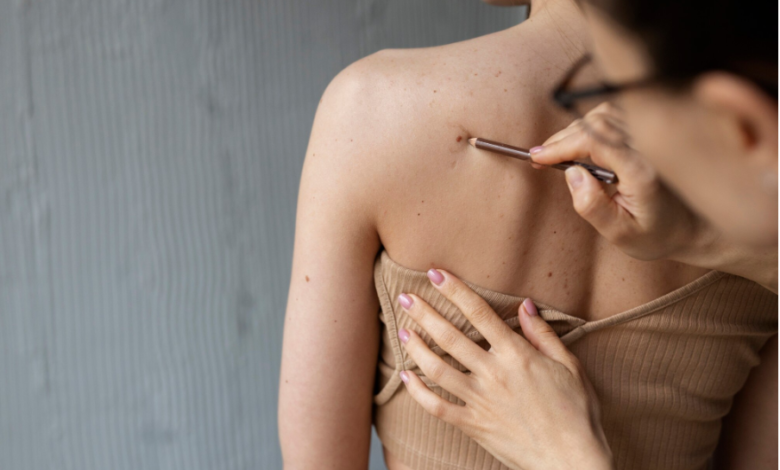
Before removal, the practitioner examines the mole or skin tag to assess its appearance, location, and suitability for treatment. This consultation helps identify whether the lesion appears benign or if further evaluation is necessary.
For moles, practitioners may ask about changes in colour, shape, bleeding, itching, or rapid growth. These details help determine the safest treatment approach.
Discussing Treatment Options
Different removal methods may be recommended depending on:
- Size and depth of the lesion
- Location on the body
- Cosmetic goals
- Skin type
- Medical history
The practitioner will also explain possible outcomes, including healing time and the likelihood of scarring.
Recovery and Aftercare Following Removal
Healing Process
Most mole and skin tag removal procedures involve relatively short recovery periods. Mild redness, swelling, or scabbing is common during healing.
The treated area usually improves over several days to a few weeks depending on the procedure performed.
Protecting the Skin
Aftercare instructions often include:
- Keeping the area clean and dry
- Avoiding excessive sun exposure
- Not picking at scabs or healing tissue
- Applying recommended ointments if advised
Following aftercare guidance helps reduce the risk of infection and supports better cosmetic healing.
Possible Scarring
Some degree of scarring is possible with any skin removal procedure. However, the extent varies depending on skin type, treatment method, and lesion size.
Many Birmingham clinics aim to minimise visible scarring by selecting appropriate techniques and providing detailed aftercare advice.
Reasons People Choose Mole or Skin Tag Removal
Cosmetic Concerns
Some individuals choose removal because they feel self-conscious about visible moles or skin tags, particularly on the face, neck, or exposed areas.
Physical Irritation
Skin growths may rub against clothing, jewellery, or shaving areas, leading to repeated irritation or discomfort.
Peace of Mind
Professional assessment and removal can provide reassurance, especially when there are concerns about changes in a mole’s appearance.
Are These Procedures Suitable for Everyone?
Most healthy adults can safely undergo mole or skin tag removal after professional assessment. However, treatment suitability depends on the lesion type, overall skin health, and medical history.
It is important to avoid attempting removal at home, especially for moles, as improper removal may increase the risk of infection, scarring, or missed medical concerns.
Conclusion
Mole and skin tag removal in Birmingham clinics offer safe and effective options for individuals seeking cosmetic improvement, comfort, or medical assessment. Treatments such as surgical excision, shave removal, cryotherapy, and cauterisation are commonly used depending on the type and location of the skin growth.
A professional consultation is an important first step to ensure the lesion is properly assessed and the most suitable treatment is selected. With appropriate care and aftercare, these procedures can help improve comfort, confidence, and overall skin appearance.